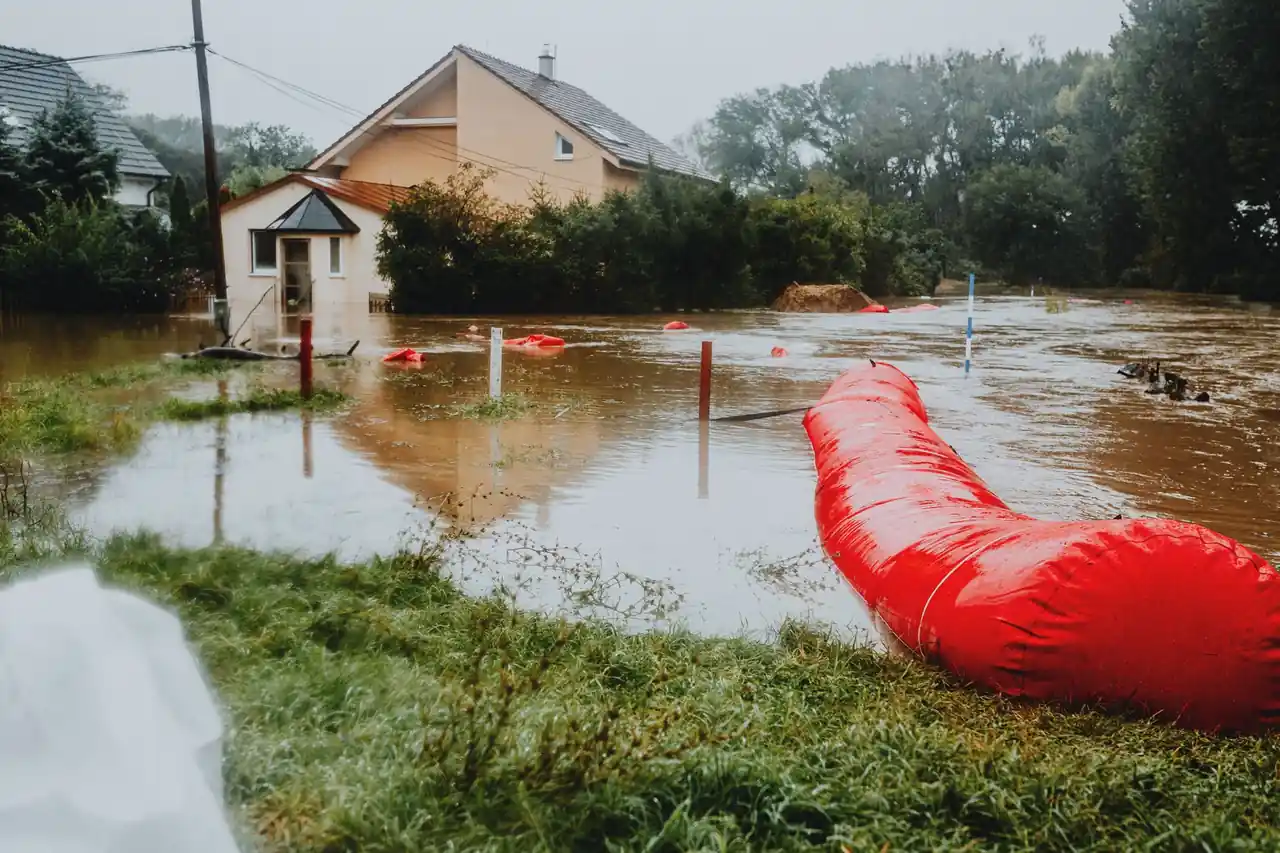
Drain deep basement water through hoses, with the level lowered gradually so saturated walls and slab are not stressed by a sudden change.
Basement Flood Cleanup in Eagle Mountain, Utah
Basement Flood Cleanup in Eagle Mountain deals with the one place water always ends up: the lowest level of your home.
Serving Eagle Mountain and nearby areas.
How big is the basement flood?
Finished level
Water has reached pad, wall bases and insulation across rooms of a finished basement.
- 1. Shallow water Water is on the slab or carpet in one area, and extraction and drying handle it.
- 2. Finished level Water has reached pad, wall bases and insulation across rooms of a finished basement.
- 3. Deep flooding Several inches or more across the basement; the plan is mapped out before equipment goes in.
Drag the needle to compareTouch and drag the needle
- 9Services from one local team
- 5Areas served around Eagle Mountain
- Find the entryThe way water got in is checked and noted
- Pump graduallyWater is lowered in stages when soil is saturated
What Basement Flood Cleanup Typically Includes
Basement flood cleanup covers the water, the materials it soaked and the cause behind it.
Work order
Basement Flood Cleanup- Pump-out and extraction: Submersible pumps drain standing water, and extractors pull moisture from carpet, pad and hard floors. Water is lowered gradually when soil outside is saturated, and hoses are routed away from the foundation and clear of freezing spots in winter.
- Sump and drainage check: The sump pit, pump, float switch and discharge line are inspected, along with window wells and floor drains. Finding the entry point matters, because pumping water out without fixing the cause invites a repeat flood.
- Carpet, pad and wall demo: Wet pad is removed, carpet is lifted to dry or discarded, and baseboards are pulled. Drywall is typically opened about 2 feet from the floor where readings stay high, so insulation and framing can dry.
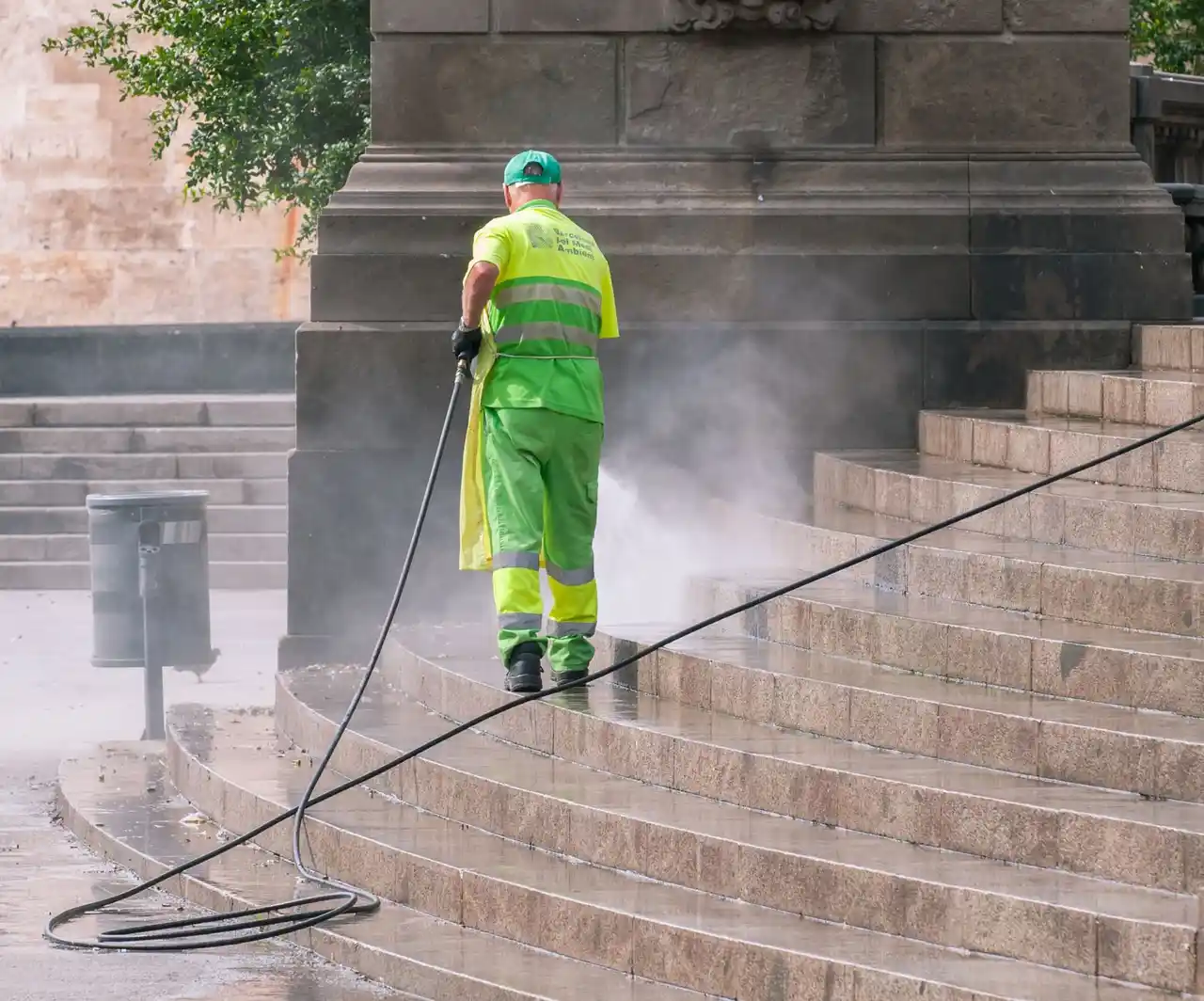
- Cleaning and sanitizing: Concrete, framing and hard surfaces are washed and treated with antimicrobial products suited to the water category. Groundwater and drain water are often Category 2 or 3 and need this step before anything is rebuilt.
- Dehumidification and drying: Air movers and LGR dehumidifiers run for about 3 to 5 days while moisture meters track slab, walls and framing. Cold basements dry slowly, so heat and dehumidification are balanced to keep readings falling.
What the first visit covers
First visit
The crew checks safety and power, inspects the sump and window wells, reads moisture levels, then pumps and extracts so drying can begin.
Basement cleanup for your home
Basements flood from below, from pipes and from drains, and each calls for a different check.
Sump pump failure
Groundwater rises when the pump, float or discharge line fails.
Window well leaks
Overfull or frozen wells can push water into a finished room.
Frozen pipe floods
Split lines in ceilings and walls soak carpet and framed walls.
Floor drain backups
Drain water is treated as contaminated and cleaned accordingly.
Basement cleanup for small buildings
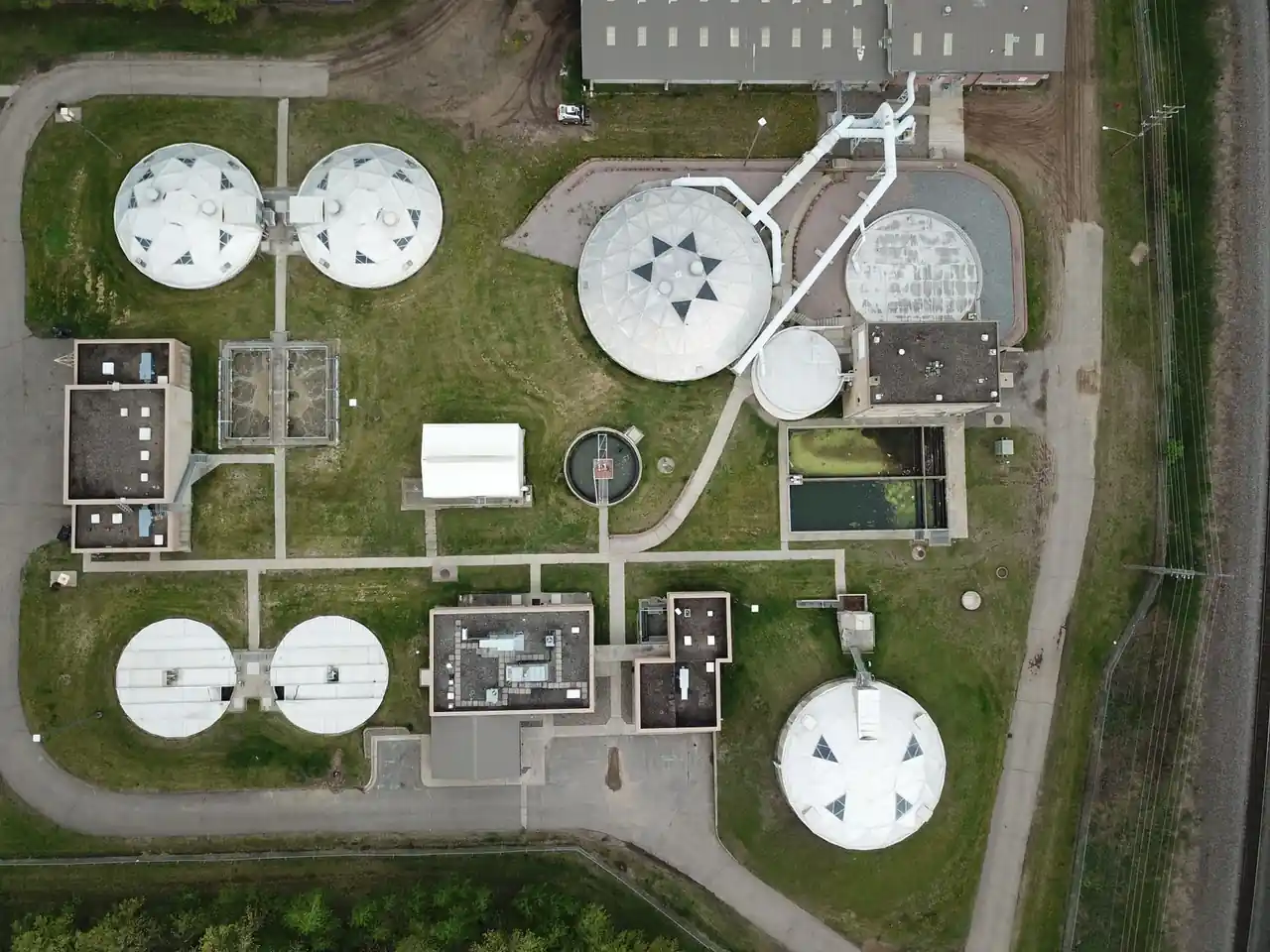
Lower-level offices, storage and rental units need water removed and walls and floors dried.
Lower-level offices
Carpet, drywall and files are checked and dried.
Storage areas
Wet boxes and stock are sorted and floors are cleaned.
Rental basements
Water from leaks and drains is removed and mapped.
Basement Flood Cleanup in Eagle Mountain Explained
A basement is the lowest, coldest and least ventilated room in the house, so water that is not removed and dried fully tends to stay. Fixing the cause and drying thoroughly is what keeps it from coming back.
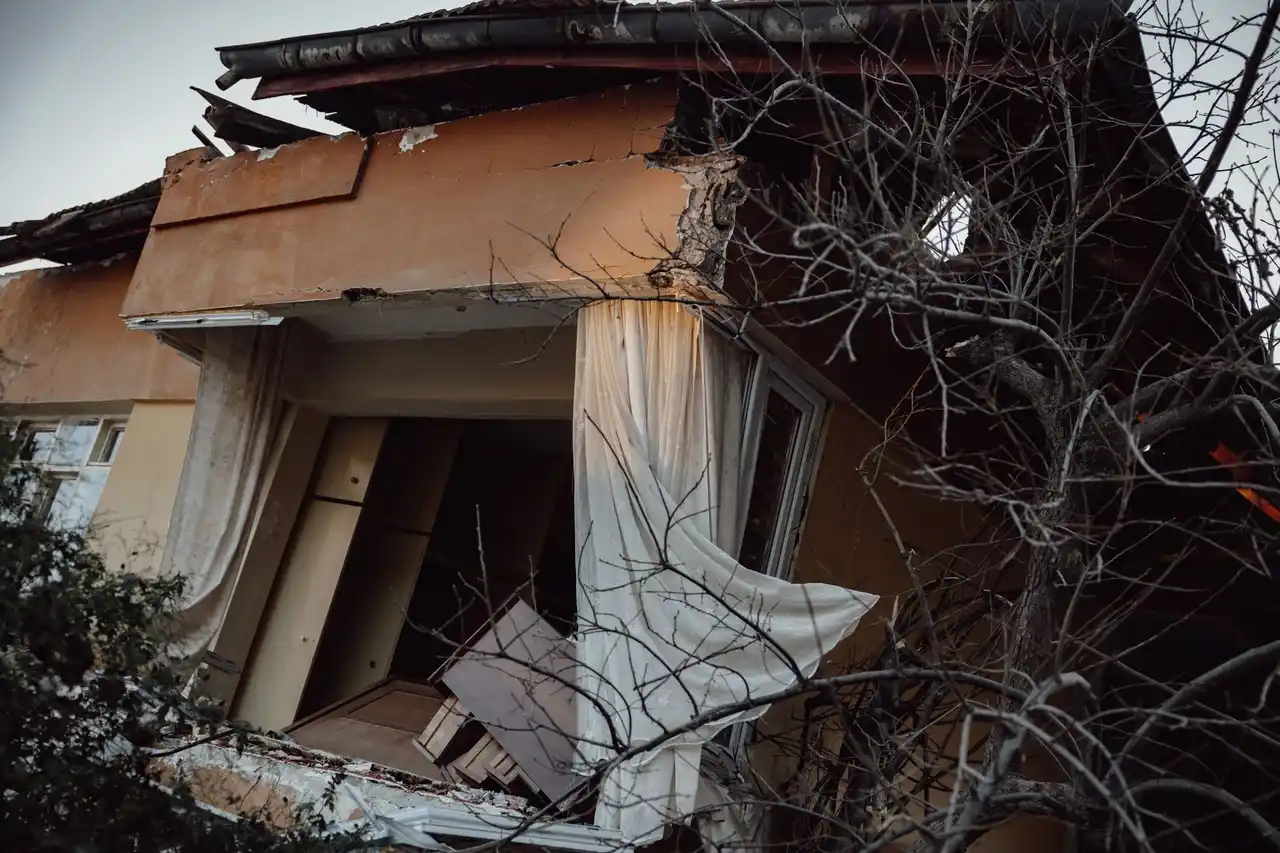
Basement Flood Cleanup in Eagle Mountain is the removal of water from below-grade rooms, followed by drying and cleaning of carpet, pad, framed walls, insulation and concrete. It differs from other flood work because basements flood from below as well as above. Groundwater can seep through the slab or the wall-floor joint, a sump pump can fail, a window well can overflow, and a floor drain can back up. Crews pump out the water, find the entry point, and dry a space that has very little natural airflow.
Eagle Mountain basements have a particular profile. Many homes in newer subdivisions have finished basements with bedrooms, family rooms and storage over concrete slab, and the soil is heavy clay that drains slowly. Winter freezes can crack lines or ice up window wells and sump discharge, and spring snowmelt runoff raises groundwater and pushes it toward foundation walls. People searching for basement water removal in Eagle Mountain are usually dealing with one of these, and the goal is a dry, checked space with the entry point understood.
- What it is
- Removal of water from below-grade rooms, then drying and cleaning.
- When it helps
- After sump pump failure, window well leaks, groundwater or a frozen pipe.
- What you get
- A dry, checked lower level with readings and the entry point noted.
How Basement Flood Cleanup Works
Basement cleanup runs in an order that gets water out, finds the cause and dries the space completely. Pumping is only the opening step.
Basement Cleanup Tools and Methods
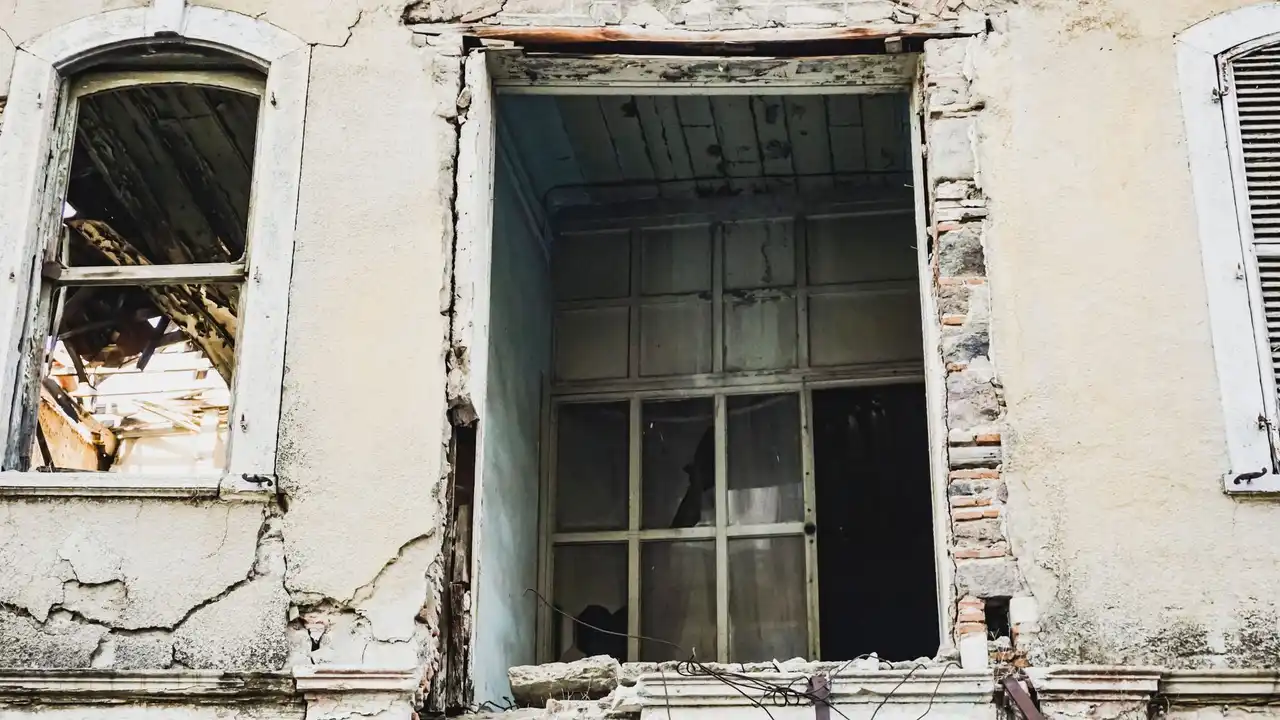
Each method answers a different question. Together they leave very little to guess.
Pull water from carpet and pad. Portable units handle stairs and tight corners where truck hoses cannot reach in a basement layout.
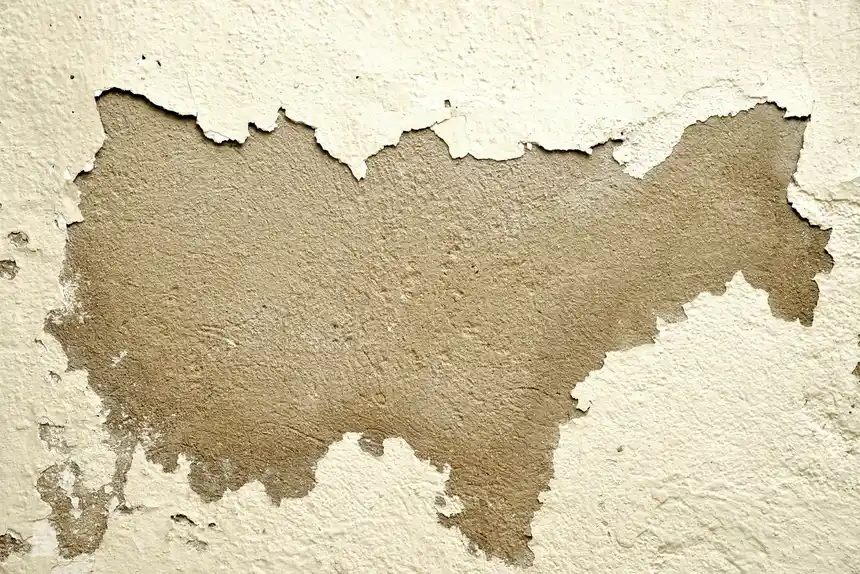
Low grain refrigerant units remove water vapor from the closed air in a basement, which is essential when there is little natural airflow.
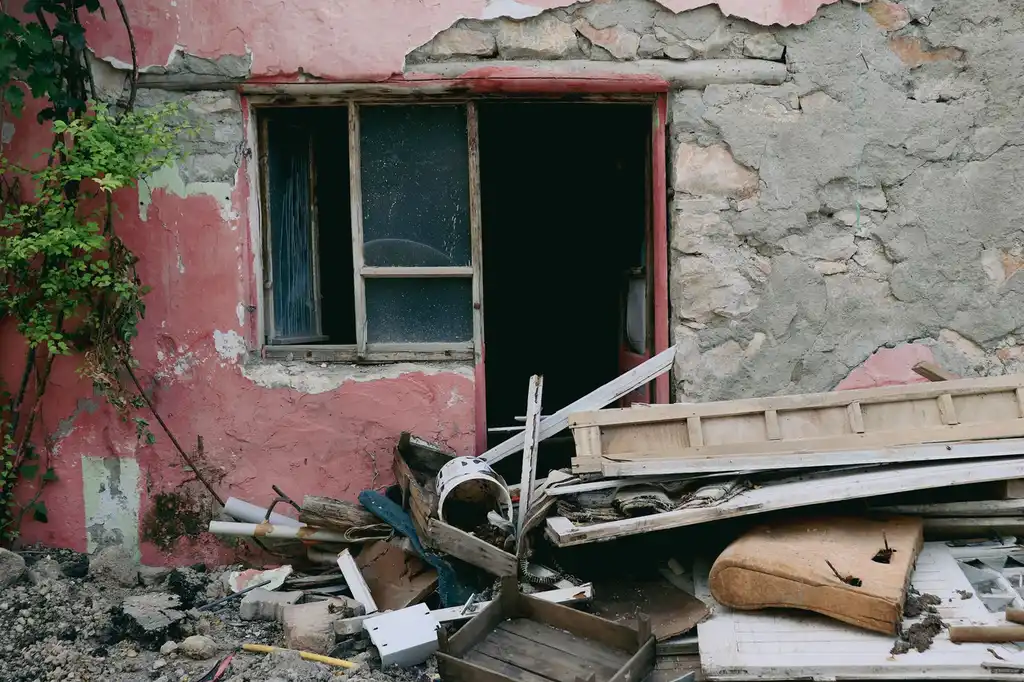
Blow air across walls, slab and carpet edges to speed evaporation. Placement follows readings and changes as areas dry.
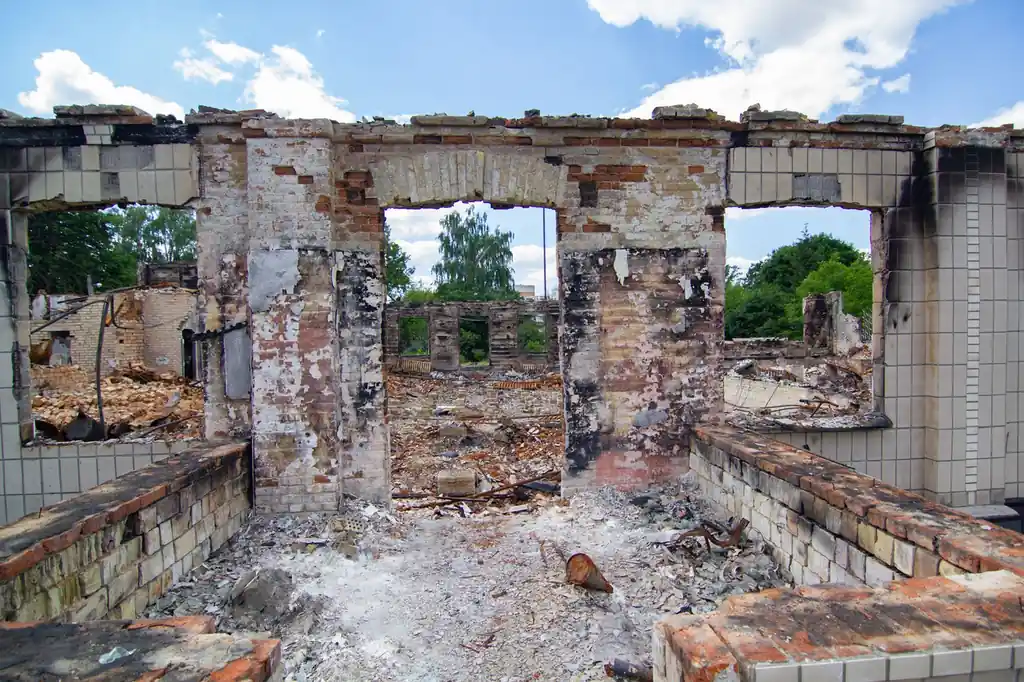
Show where water traveled under carpet, in slab and inside walls, so demolition and drying decisions rest on measurements.

When to Call for Basement Flood Cleanup
A sump pump fails during a late-winter thaw, and groundwater fills a finished basement with several inches of water overnight.
The restoration crew pumps out the water gradually, extracts carpet and pad, checks the pump and discharge line, and opens the lowest…
HomesA hard freeze splits a supply line in the basement ceiling above a finished family room while the home is empty.
Crews close the valve, extract water from carpet, trace moisture with a thermal camera and open wet ceiling drywall and insulation.
HomesSpring runoff overfills a window well and floods a basement bedroom, and the room doubles as a home office.
The crew pumps the water out, removes pad and wet wall bases, checks the window well and floor drain, and dries the…
Homes and businesses
How Basement Flood Cleanup Works in Eagle Mountain
Basements in Eagle Mountain have their own pattern. Many homes in newer subdivisions have finished lower levels with bedrooms, family rooms and storage over concrete slab, so a flood reaches carpet, pad, framed walls and insulation together.
The Ranches
Larger homes with finished basements, where more carpet, pad and framed walls mean longer extraction and drying.
Pole Canyon
Newer construction with lower-level living space and sump systems, where a pump or discharge failure can flood a finished room.
City Center
Family homes with basement bedrooms and play areas, where window wells and egress windows are common entry points for water.
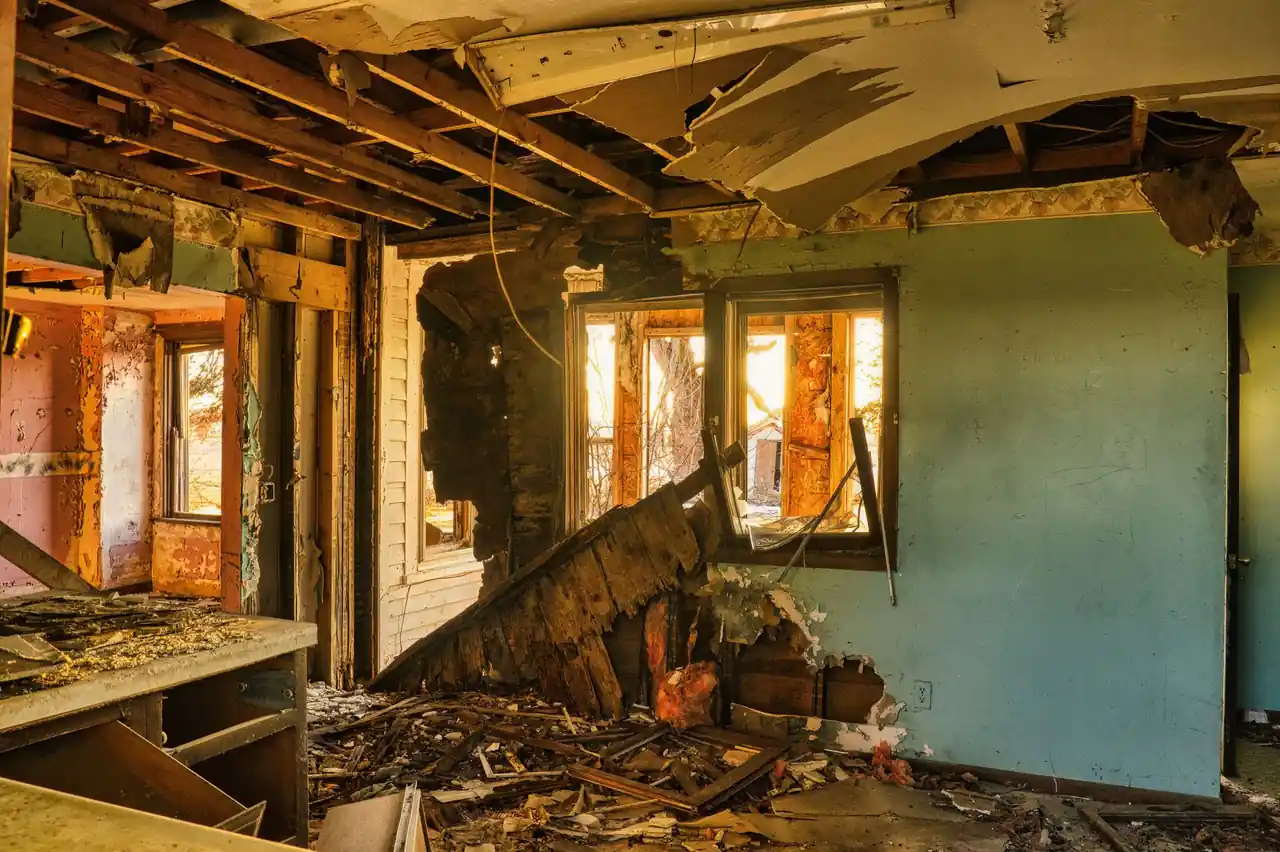
- The Ranches
- Pole Canyon
- City Center
- Silverlake
From problem to finished result.
Slide to compare the photo with an illustrative inspection view. It is generated from the photo, not a measurement.
 Photo
Sump pump failure in a finished basement
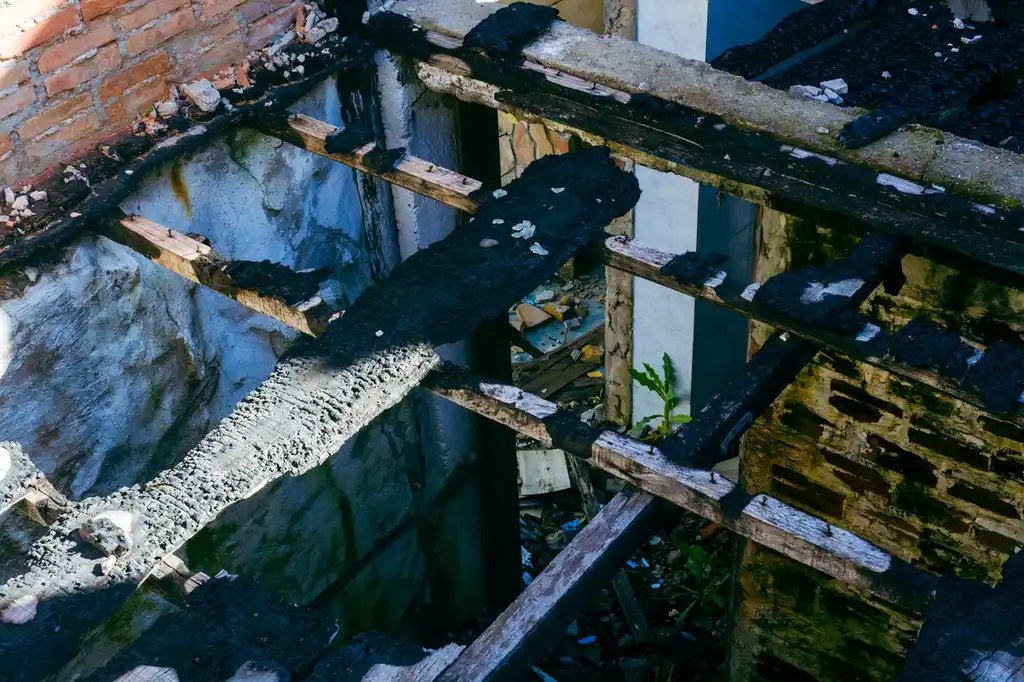
Before: A sump pump stops during a late-winter thaw and groundwater floods a finished basement. About 3 inches of water cover 600 square feet, soaking carpet, pad and the base of the walls overnight.
After: Water is pumped out gradually, carpet and pad are extracted and wet pad is removed. The lowest 2 feet of wet drywall are opened and dried, and after 3 to 5 days readings match dry areas. The failed pump and frozen discharge line are identified.
Window well overflow in spring
Before: Spring runoff overfills a window well over clay soil and water flows under the frame into a basement bedroom. Carpet is soaked along one wall and the baseboard is swollen.
After: The room is pumped out, carpet and pad are extracted, baseboards are removed, and the wall base is dried. The window well is cleared and the entry point is documented for repair.
Frozen pipe above a finished room
Before: A supply line splits in a basement ceiling during a hard freeze while the family is away. Water runs down the wall, soaks the carpet and leaves a damp smell in the finished room.
After: Water is extracted, wet ceiling and wall drywall is opened, and insulation is replaced where it was soaked. A thermal camera shows trapped moisture, and drying brings readings to normal in about 4 days.
Solving Flooded Basement Problems in Eagle Mountain
Basement floods come from a handful of causes, and each problem below is common in Eagle Mountain.
The sump pump stopped during a storm and the basement filled with water.
Groundwater rises past the slab within hours, soaking carpet, pad and walls, and a closed basement can start to grow mold in 24 to 48 hours.
Snowmelt and clay soil pushed water through a window well into a finished room.
Clay holds water against foundation walls, and an overfull window well can leak around the frame, soaking carpet and the base of the wall.
A frozen pipe split in the basement ceiling and water ran down the walls.
Water travels through the wall cavity and into the floor, soaking insulation and leaving moisture hidden behind finished drywall.
The basement smells musty, and the carpet feels damp after the water went down.
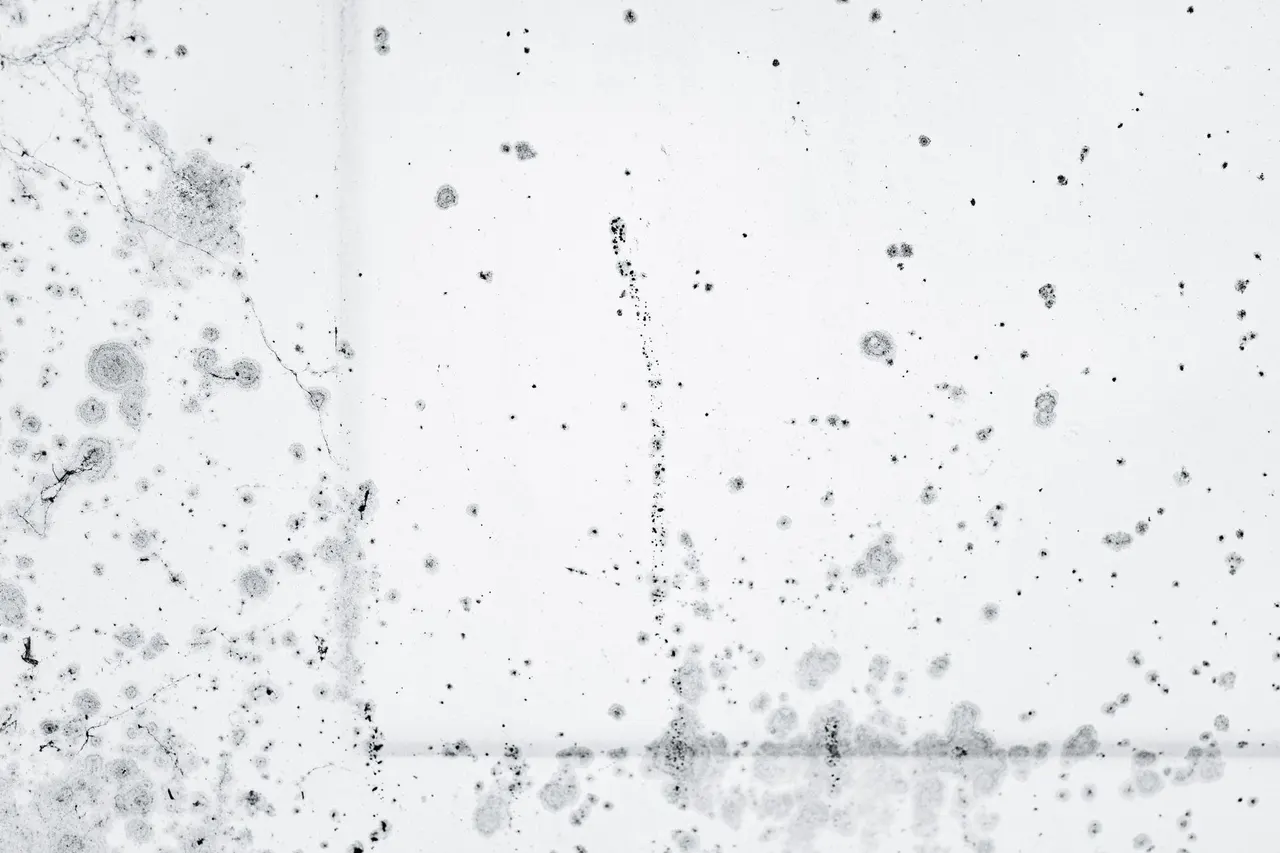
Moisture trapped in pad, slab and wall bottoms keeps feeding mold, and a smell means damp materials have probably sat for days.
What Basement Cleanup Does for You
A flooded basement is hard to dry because it is cool, enclosed and often full of absorbent materials.
Entry point identified
Pumping water out without finding where it came from means the next storm brings it back.
Finished spaces protected
Carpet over slab, framed walls and insulation trap water that does not drain.
Mold has less time
Mold can start in 24 to 48 hours on damp drywall and pad, and a closed basement in winter has little airflow to stop…
Dry before the next melt
Basements that stay damp invite repeated flooding and musty air.
What Affects Basement Cleanup Cost?
Basement flood cleanup cost in Eagle Mountain depends on the job and is not a flat rate, so no figures are listed here.
Included
Quoted after a first look
- Pump-out and extraction
- Sump and drainage check
- Carpet, pad and wall demo
- Cleaning and sanitizing
What changes the scope
Quoted after a first look
- Water depth and area
- Water category
- Finished versus unfinished
- Time the water sat
What you receive after the job
Clear records you can keep and share.
Moisture readings
Slab, wall and framing results showing what is wet and dry.
Entry point notes
A record of how water got in and what was checked.
Photo documentation
Pictures of affected rooms for your records and any insurance claim.
Basement Water Know-How
Basement flooding is as much about diagnosis as pumping.
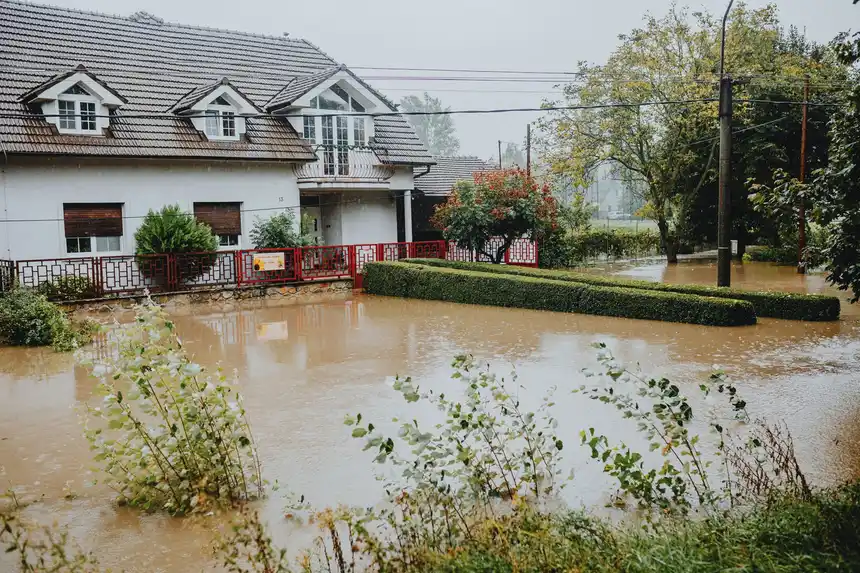
Sump pit and float
A stuck float, clogged pit or dead motor explains many floods, and checking them shows whether the pump failed or was overwhelmed.
Wall-floor joint
Water often enters where the slab meets the wall, so dampness there points to groundwater seepage rather than a pipe leak.
Slab and wall readings
Meters read moisture in concrete, bottom plates and lower drywall, which shows how deep water went and when drying is complete.
Is your Eagle Mountain area covered?
Type your ZIP code or town. If yours is not listed, call (385) 481-3042 and ask about it.
Eagle Mountain ZIP codes
- 84013
- 84005
Towns we serve.
Based in Eagle Mountain and covering the places around it. Pick one for local details.
Frequently Asked Questions
Short answers for the first few minutes. The team can cover the rest.
Still have a question?
Describe what you are seeing and we will point you to the right next step.
(385) 481-3042Most basement cleanup runs about 3 to 5 days of drying after pump-out and demolition, though deep water or finished walls can add time. Pumping and extraction take a few hours, then dehumidifiers and air movers run until readings match dry areas. Cold basements dry slower in winter. Call (385) 481-3042 as soon as water appears to be connected with a local restoration company.
You can pump out shallow water with a rental pump, but do not enter deep water near electrical panels or outlets, and do not drain too fast. Dropping the level quickly while soil outside is saturated can stress walls and floors. Pumping also leaves carpet pad and wall cavities wet, so professional extraction and drying are still needed to avoid mold.
A sump pump fails because of power loss, a stuck float switch, a clogged pit, a worn motor or a frozen discharge line, and then groundwater rises past the slab. In clay-soil areas like Eagle Mountain, water can build quickly during snowmelt or heavy rain. A cleanup crew checks the pit, float and discharge line and reports what failed.
Not always. Clean water caught early can often be dried in place, while groundwater or sewage usually means removing carpet pad and the lower 2 feet of drywall. Moisture meters and thermal cameras show how far water traveled, so decisions come from readings. Acting within 24 to 48 hours lowers the chance of mold and keeps more of the room.
Related Services
Other services from the same team.
- Mold RemediationMold can begin growing on damp materials within 24 to 48 hours of a leak.
- Crawl Space Water RemovalCrawl space flooding is easy to miss because nobody looks down there until a smell or a sagging…
- Burst Pipe Water DamageWhen a pipe freezes, it often splits at the weak point, and water pours out once the ice…
Call About Basement Flood Cleanup in Eagle Mountain
(385) 481-3042Water in a basement settles into carpet, pad and walls fast.
Call to Get Connected
If water is damaging your home in Eagle Mountain or a nearby Utah County town, call (385) 481-3042. Tell us what happened, where the water is and whether it is still flowing. We connect you with an independent local water damage restoration company that serves your address.
Call to get connected
Call (385) 481-3042 and tell us what happened, where the water is and whether it is still flowing. We connect you with a local water damage restoration company serving Eagle Mountain and nearby towns.