Filters air through HEPA media that captures particles down to 0.3 microns and holds the work zone under negative pressure during demolition and cleaning.
Mold Remediation in Eagle Mountain after water damage
Mold Remediation in Eagle Mountain starts when a leak, flood, or frozen pipe leaves building materials wet for more than 48 hours.
Serving Eagle Mountain and nearby areas.
How big is the mold job?
Room or basement
Several walls or a finished basement level needing containment, material removal, and multi-day drying.
- 1. Small patch One wall section or ceiling spot from a single leak, handled with targeted removal and HEPA cleaning.
- 2. Room or basement Several walls or a finished basement level needing containment, material removal, and multi-day drying.
- 3. Multi-room loss Growth in several rooms or the HVAC system. Containment zones and removal plan mapped before demolition.
Drag the needle to compareTouch and drag the needle
- 9Services from one local team
- 5Areas served around Eagle Mountain
- Source firstMoisture cause found before any cleaning starts
- HEPA alwaysAir filtered through HEPA equipment during all demolition
What Mold Remediation Typically Includes
A mold job in Eagle Mountain covers the full chain from finding the moisture source to confirming the structure is dry and clean.
Work order
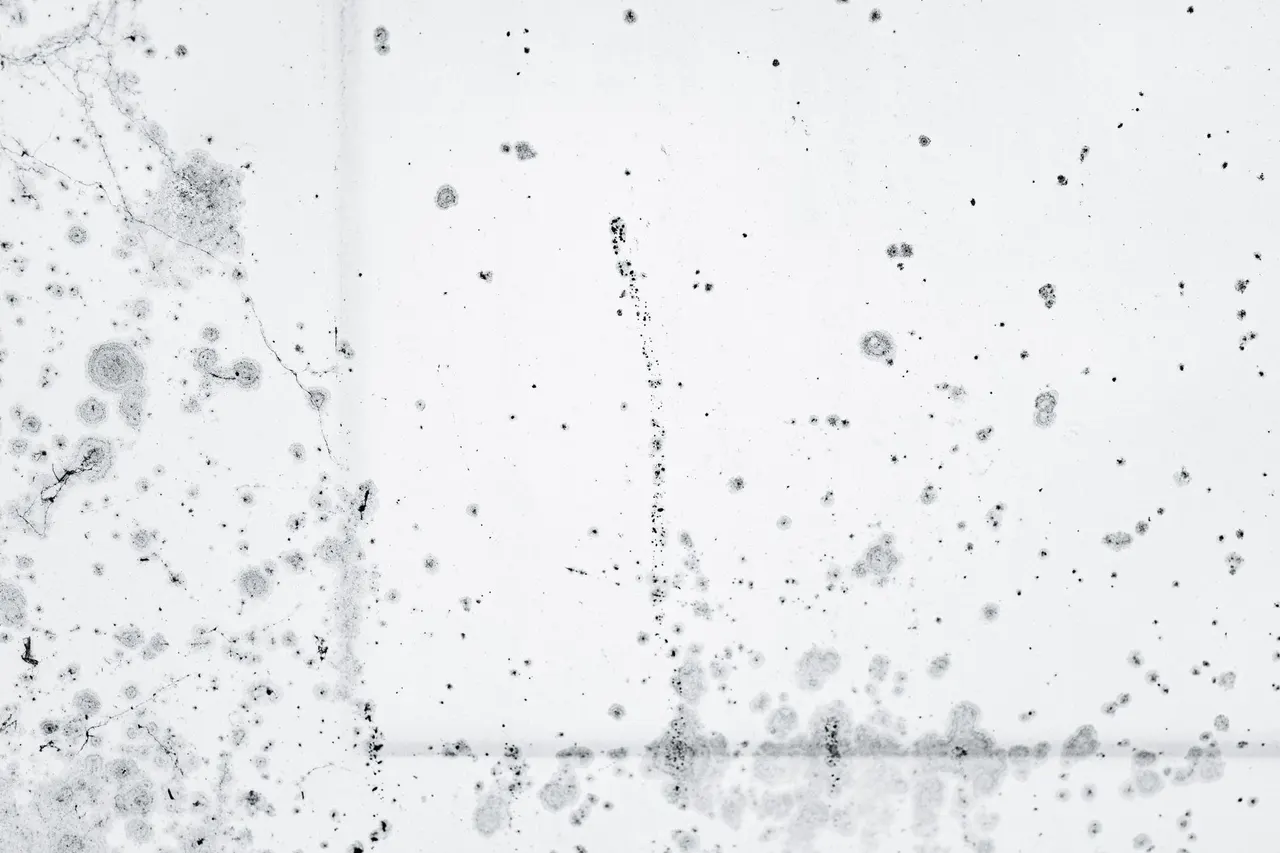
Mold Remediation- Moisture mapping and source check: A moisture meter and thermal camera map wet areas, and the crew identifies the leak, condensation, or flooding behind the growth. Readings are recorded at set points so drying progress can be compared with a dry reference material in an unaffected part of the house.
- Containment and air filtration: Poly sheeting, zipper doors, sealed vents, and a HEPA air scrubber create negative pressure around the work area. This keeps spores and dust from reaching bedrooms, kitchens, and the HVAC system while drywall, trim, and flooring are being removed.
- Removal of unsalvageable material: Drywall, insulation, and carpet pad with active growth are cut out and double bagged in 6 mil poly. Solid wood framing is kept and cleaned wherever possible, which limits demolition and shortens the rebuild.
- HEPA cleaning and drying: Remaining surfaces are HEPA vacuumed, sanded or wire brushed as needed, and damp wiped. Air movers and LGR dehumidifiers then run, often for three to five days, until readings match the dry standard and humidity is under 60 percent.
- Final check and records: The crew checks for visible growth and odor, confirms moisture and humidity readings, and removes containment. Photos and daily moisture logs document the job, which is useful for your rebuild contractor and any insurance conversation.
What the first visit covers
First visit
A moisture map of walls and floors, a thermal camera scan, photos of visible growth, and a plan for containment and drying.
Mold cleanup for Eagle Mountain homes
Water losses leave different mold risks in different parts of a house.
Basement walls and carpet
Seepage or flooding that left drywall and pad damp.
Bathrooms and kitchens
Slow supply line leaks behind cabinets, tubs, and shower walls.
Attics and ceilings
Roof leaks or condensation staining insulation and drywall above.
Post-freeze pipe breaks
Wall cavities that stayed damp for several days.
Mold work for local businesses
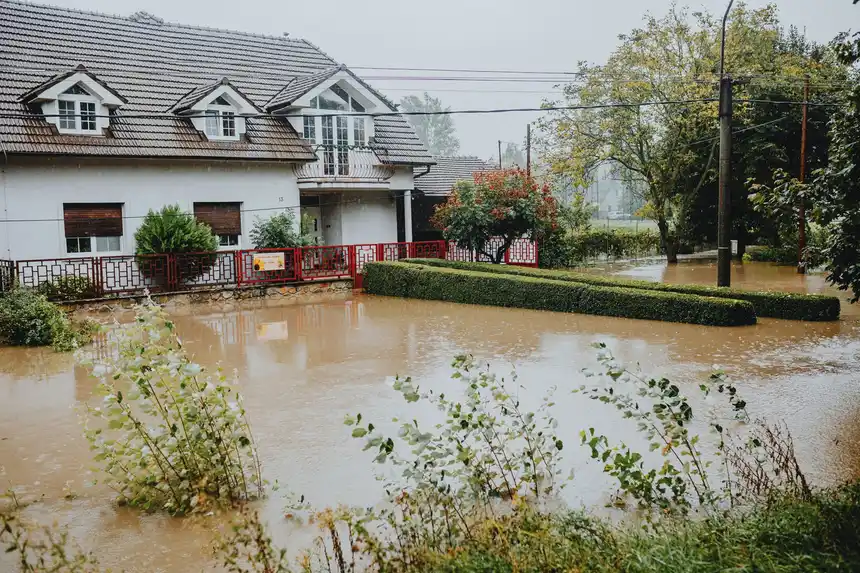
Commercial water losses need containment that protects tenants, customers, and neighboring units from dust.
Offices and retail
Ceiling tile and drywall after supply line or roof leaks.
Rental properties
Units with recurring moisture and tenant air quality concerns.
Warehouses and storage
Damp slab edges, stored goods, and wall bases.
Mold Remediation in Eagle Mountain, Explained
Mold keeps growing as long as moisture and food are present, so cleaning the surface is never enough. Proper remediation contains the area, removes what cannot be cleaned, and dries the structure until readings confirm it.
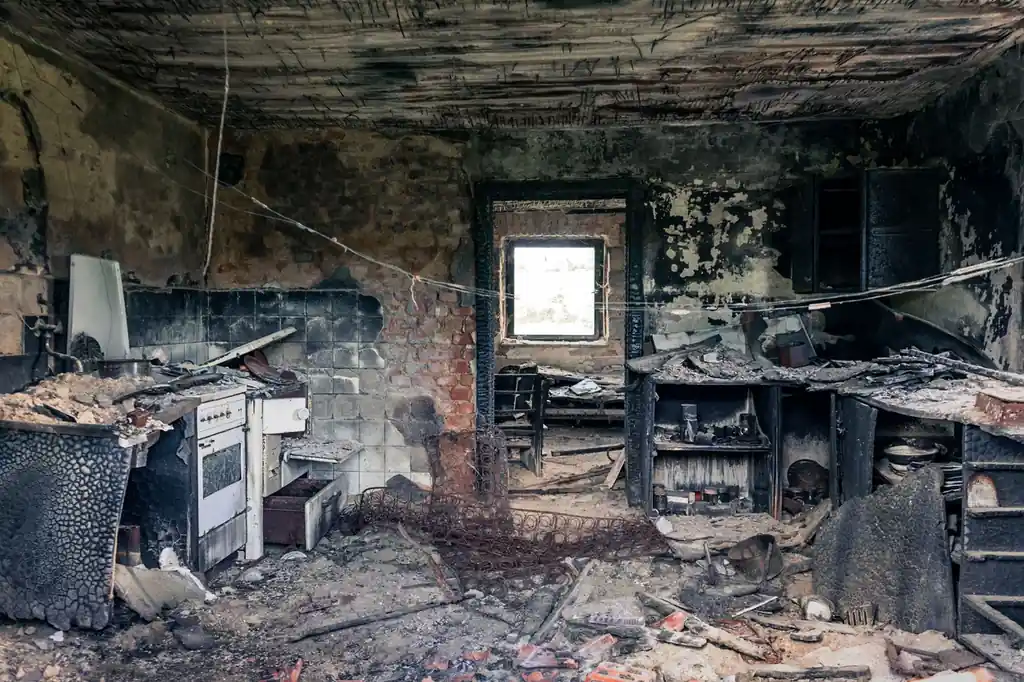
Mold Remediation in Eagle Mountain is a cleanup process that removes active mold growth and the moisture feeding it, so the building returns to normal indoor air quality. It is not the same as spraying bleach on a stain. A restoration crew first finds the water source, then isolates the area with 6 mil polyethylene sheeting and runs a HEPA air scrubber that captures particles down to 0.3 microns. Porous materials such as wet drywall, insulation, and carpet pad are removed because they cannot be cleaned. Hard surfaces are HEPA vacuumed and damp wiped. EPA mold guidance is clear that moisture control is the real fix, and the work follows that order.
Water damage mold remediation in Eagle Mountain usually follows a specific event, not a damp climate. Utah is dry, so mold here almost always traces to a water loss: a pipe that split during a hard freeze, a water heater leak in a utility closet, a failed sump pump, or a window well that filled with snowmelt. Newer subdivisions add a twist, because tightly sealed homes hold moisture inside walls and under flooring once it gets in. If drywall or flooring stayed wet for more than 24 to 48 hours, mold removal in Eagle Mountain becomes a real possibility, and the sooner a crew checks, the smaller the affected area tends to be.
- What it is
- Containment, HEPA cleaning, material removal, and drying after water damage.
- When it helps
- Musty odor, visible growth, or materials left wet for over 48 hours.
- What you get
- A dry, cleaned structure with moisture readings and photos on record.
How Mold Remediation Works Step by Step
Most residential jobs in Eagle Mountain run three to seven days from containment to final check, depending on how many square feet are affected and how…
Tools and Methods Used
Each method answers a different question. Together they leave very little to guess.
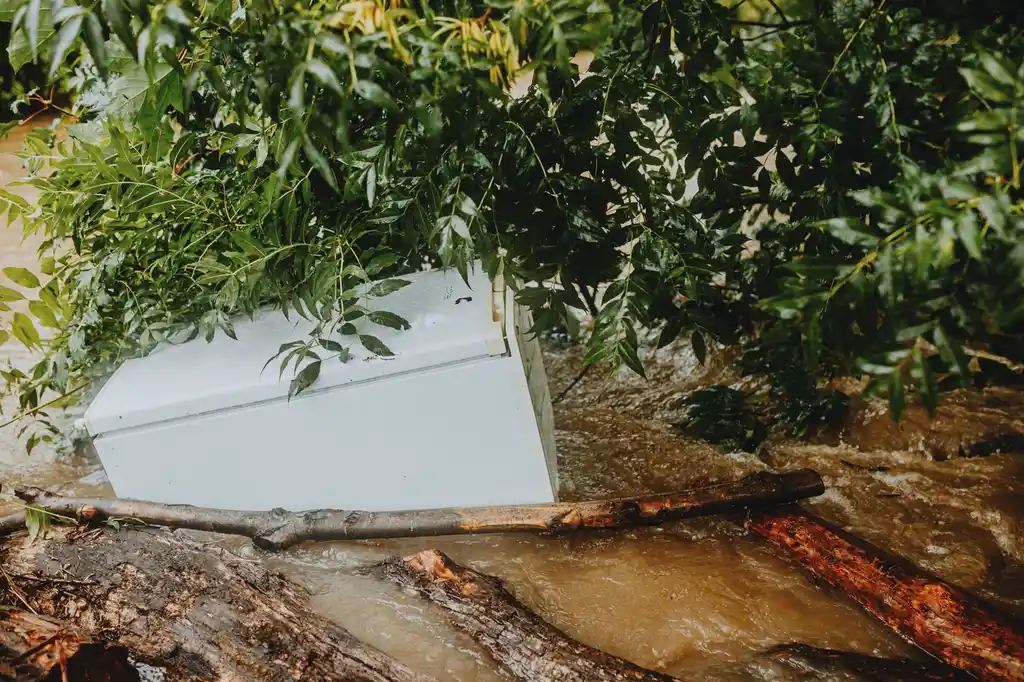
Pin and pinless meters read moisture content in drywall and wood, showing what is still wet and when framing has dried to roughly 15 percent or lower.
Shows cool, damp areas behind intact walls and ceilings so wet cavities can be located without cutting open every surface.
Removes settled spores and dust from framing and hard surfaces after material removal, before damp wiping and drying begin.
Pull moisture out of the air and move it across wet surfaces, bringing indoor humidity down and structural materials back to dry standard in three to five days.
When to Call for Mold Remediation
A pipe split during a hard freeze in a two-story Eagle Mountain home, and the ceiling below smells musty four days later.
The crew maps the wet ceiling and wall cavity, seals the room, removes the damaged drywall and insulation under a HEPA scrubber,…
HomesA finished basement in a newer Eagle Mountain subdivision took on water from a failed sump pump and still has a damp odor behind the baseboards.
Baseboards and the bottom of the drywall are removed, carpet pad is pulled, and the slab and wall bases are HEPA cleaned…
HomesA landlord in Eagle Mountain finds black spotting on bathroom walls and ceiling after a slow supply line leak went unnoticed between tenants.
The leak source is located, affected drywall is removed under containment, framing is cleaned, and the room is dried.
Homes and businesses
How Mold Remediation Runs in Eagle Mountain
Mold Remediation in Eagle Mountain is shaped by a dry climate, hard winter freezes, and a housing stock that is mostly newer construction. Because outdoor humidity is low, mold here nearly always follows a specific water event rather than general dampness.
The Ranches
Larger homes with finished basements mean seepage after snowmelt can sit behind basement walls and flooring unnoticed for weeks.
Overlake
Newer, tightly built homes hold moisture inside wall cavities after a pipe break, so thermal imaging helps locate hidden wet drywall.
Pole Canyon
Basement and lower-level finishes are the usual first place growth appears after a leak, especially at baseboards and carpet edges.
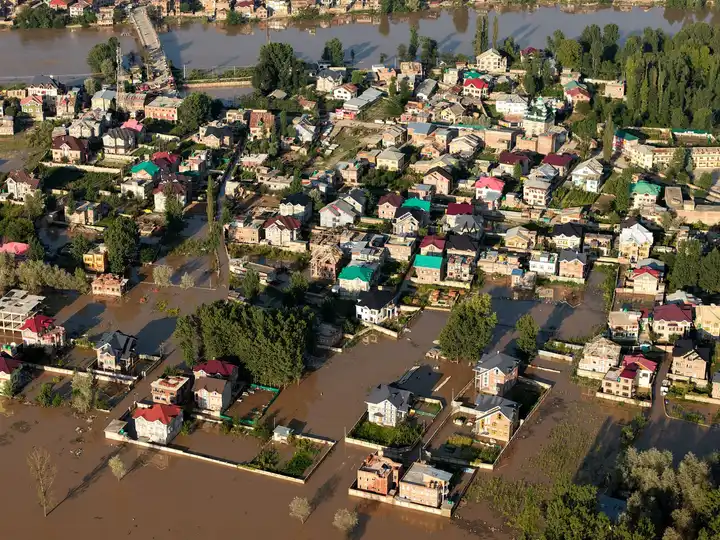
- The Ranches
- Overlake
- Pole Canyon
- Silver Lake
From problem to finished result.
Slide to compare the photo with an illustrative inspection view. It is generated from the photo, not a measurement.
 Photo
Typical case: frozen supply line ceiling
Before: A supply line in an exterior wall split during a hard freeze. Water soaked the ceiling below, the home was dried by hand, and four days later a musty smell appeared with gray spotting on the drywall and insulation above.
After: The affected 40 square feet of ceiling drywall and insulation is removed under containment, framing is HEPA cleaned, and dehumidifiers dry the cavity for four days. Moisture readings return to dry reference levels before rebuild begins.
Typical case: basement seepage mold
Before: After a sump pump failed during snowmelt, a finished basement carpet was dried but the baseboards and lower 2 feet of drywall stayed damp. A musty odor and dark staining developed along two walls within two weeks.
After: Baseboards, carpet pad, and lower drywall are removed, studs and plates are cleaned and dried, and humidity is brought under 50 percent. The basement is ready for new drywall with clean, dry framing.
Typical case: bathroom slow leak
Before: A slow leak behind a tub went unnoticed for weeks. The ceiling below showed brown staining, the bathroom wall had black spotting, and the family noticed worse allergy symptoms at night.
After: The leak source is repaired by a plumber, the affected wall and ceiling are removed under containment, framing is cleaned, and the cavity is dried until moisture readings drop below the dry standard. Rebuild follows.
Stop Mold After Water Damage Before It Spreads
Most mold calls in Eagle Mountain start with a smell, a stain, or a leak that was fixed but never fully dried.
A musty smell lingers weeks after a pipe or water heater leak was fixed.
Odor means moisture is still trapped in drywall, insulation, or subfloor, and active growth can spread across a wall cavity while the surface looks normal.
Visible black or green growth keeps returning after wiping it with household cleaners.
Surface cleaning leaves roots in porous drywall and wood, so growth reappears in days while the real moisture source keeps feeding it.
Family members with asthma or allergies react indoors after a basement or crawl space leak.
Disturbed spores and fragments circulate through ducts and living areas, and symptoms may worsen when untrained cleanup scatters them.
A winter pipe break was dried by hand, and now paint or wallpaper is bubbling.
Bubbling and staining signal moisture behind the finish. Left in place, wet drywall can grow mold in under two days and soften over the following weeks.
What Proper Mold Cleanup Gets You
Done correctly, mold cleanup does more than remove what you can see.
Spores stay contained
Containment barriers and negative air pressure keep disturbed spores inside the work zone instead of drifting through your HVAC system.
Moisture source gets fixed
Mold returns when the water or humidity stays.
Less material is thrown out
Not everything wet has to go.
Indoor air returns to normal
After cleanup, a final visual check and, where needed, air or surface sampling compared with an outdoor or unaffected-room baseline show whether the work…
What Affects Mold Remediation Cost
In 2026, the cost of mold remediation in Eagle Mountain depends mostly on how much material is affected and how long it takes to dry, not…
Included
Quoted after a first look
- Moisture mapping and source check
- Containment and air filtration
- Removal of unsalvageable material
- HEPA cleaning and drying
What changes the scope
Quoted after a first look
- Affected square footage
- Material type and depth
- Containment and air filtration
- Drying days
What a mold job leaves you
Clear records you can keep and share.
Moisture readings log
Daily readings that show drying progress against dry reference points.
Photo documentation
Before and after photos useful for rebuild planning and insurance conversations.
Scope of work record
Affected areas, materials removed, and containment used, listed room by room.
Industry Standards Behind the Work
Mold work in the United States follows published guidance, not guesswork.

Moisture content
Pin and pinless meters read wood and drywall moisture. Framing near 15 percent or lower is a common dry target.
Thermal patterns
Cool, damp areas show on infrared cameras and reveal wet cavities behind intact walls.
Humidity levels
Indoor relative humidity above 60 percent keeps mold viable, so readings guide dehumidifier settings.
Is your Eagle Mountain area covered?
Type your ZIP code or town. If yours is not listed, call (385) 481-3042 and ask about it.
Eagle Mountain ZIP codes
- 84013
- 84005
Towns we serve.
Based in Eagle Mountain and covering the places around it. Pick one for local details.
Frequently Asked Questions
Short answers for the first few minutes. The team can cover the rest.
Still have a question?
Describe what you are seeing and we will point you to the right next step.
(385) 481-3042Most home jobs take three to seven days from containment to final check. Small single-room cleanups can finish sooner, while basements or whole-floor losses run longer. The drying phase alone commonly takes three to five days with air movers and LGR dehumidifiers. Rebuilding drywall, paint, and flooring is a separate stage that adds time. Mold removal in Eagle Mountain also depends on the water source being fixed first, since drying cannot finish while a leak continues.
Areas under about 10 square feet can generally be handled by a homeowner, according to EPA guidance. Wear gloves, goggles, and an N95 respirator, and fix the moisture source first. Call a professional for larger areas, mold inside walls or ducts, anything after sewage or Category 3 water, or when someone in the home has asthma or a weakened immune system. Never mix bleach with ammonia cleaners, and do not paint over growth, since it comes back through the paint.
Mold can begin growing on wet drywall, wood, and carpet within 24 to 48 hours. Visible colonies often appear within three to seven days if materials stay damp. That is why winter pipe breaks in Eagle Mountain are time sensitive: water behind walls or under flooring stays wet unless it is extracted and dried promptly. If your loss is more than two days old, call (385) 481-3042 and ask to be connected with a restoration company before opening walls yourself.
A persistent musty odor, staining that returns after cleaning, peeling paint, or a wall that feels cool and damp are the usual signs. Moisture readings and a thermal camera can find hidden wet areas without cutting walls open. Water damage mold remediation in Eagle Mountain often starts with that kind of scan after a leak, because growth behind drywall or under subfloor is invisible. Air sampling can help when the extent is unclear. Call (385) 481-3042 to be connected.
Related Services
Other services from the same team.
- Crawl Space Water RemovalCrawl space flooding is easy to miss because nobody looks down there until a smell or a sagging…
- Burst Pipe Water DamageWhen a pipe freezes, it often splits at the weak point, and water pours out once the ice…
- Water MitigationWater damage mitigation is the early work that stops a loss from growing: removing water, protecting contents, setting…
Call About Mold Remediation in Eagle Mountain
(385) 481-3042Mold is easier to contain at 48 hours than at two weeks.
Call to Get Connected
If water is damaging your home in Eagle Mountain or a nearby Utah County town, call (385) 481-3042. Tell us what happened, where the water is and whether it is still flowing. We connect you with an independent local water damage restoration company that serves your address.
Call to get connected
Call (385) 481-3042 and tell us what happened, where the water is and whether it is still flowing. We connect you with a local water damage restoration company serving Eagle Mountain and nearby towns.