Remove standing sewage quickly so contamination is not tracked or spread, and so cleaning can begin on bare surfaces.
Sewage Cleanup in Eagle Mountain, Utah, Done Safely
Sewage Cleanup in Eagle Mountain starts with one rule: do not touch it. Raw sewage is category 3 water damage, carrying bacteria, viruses, and parasites that can make a household sick.
Serving Eagle Mountain and nearby areas.
How big is the sewage loss?
Room or basement
Sewage reached carpet or drywall, so porous materials are removed before cleaning and drying.
- 1. Small overflow A contained spill on a hard floor, cleaned and disinfected with protective equipment.
- 2. Room or basement Sewage reached carpet or drywall, so porous materials are removed before cleaning and drying.
- 3. Whole level A main line backup across a lower level needs containment and removal. A written plan comes first.
Drag the needle to compareTouch and drag the needle
- 9Services from one local team
- 5Areas served around Eagle Mountain
- PPE firstProtective gear on before anyone enters the area
- Seal and filterPoly containment and HEPA air filtration on every job
What Sewage Cleanup Typically Includes
A full sewage cleanup covers the contaminated area from the source to a dry, disinfected structure.
Work order
Sewage Cleanup- Containment and PPE: Poly sheeting seals the work zone, a HEPA air scrubber filters the air, and every worker wears a respirator, gloves, boots, goggles, and disposable suit. This protects the rest of your home and the people doing the work.
- Sewage extraction: Submersible pumps and extractors remove standing sewage, then wet vacuums handle what remains on floors. Contaminated water is disposed of properly rather than discharged outdoors.
- Removal of porous materials: Carpet, pad, insulation, and drywall that touched sewage are removed, bagged, and hauled out, often to 12 to 24 inches above the visible water line. Porous materials cannot be reliably cleaned.
- Cleaning and disinfection: Framing, concrete, and subfloor are scrubbed with detergent and treated with an EPA-registered disinfectant. Contact time matters, so surfaces stay wet with the product for the time on the label.
- Deodorizing and drying: LGR dehumidifiers and air movers dry the structure over about 3 to 5 days, and odor control is applied after the source is removed. Moisture readings confirm a dry structure before containment comes down.
What the first visit covers
First visit
Identifying the source, setting up containment, extracting sewage, and listing which materials must be removed and which can be cleaned and disinfected.
Sewage cleanup for your home
Backups that reach floors, walls, and carpet need removal and disinfection.
Floor drain backups
Basement drains that push sewage across finished floors.
Toilet overflows
Overflows that soak bathroom floors and ceilings below.
Main line backups
Multiple fixtures backing up from a blocked main.
Cracked drain lines
Leaks into crawl spaces and wall cavities.
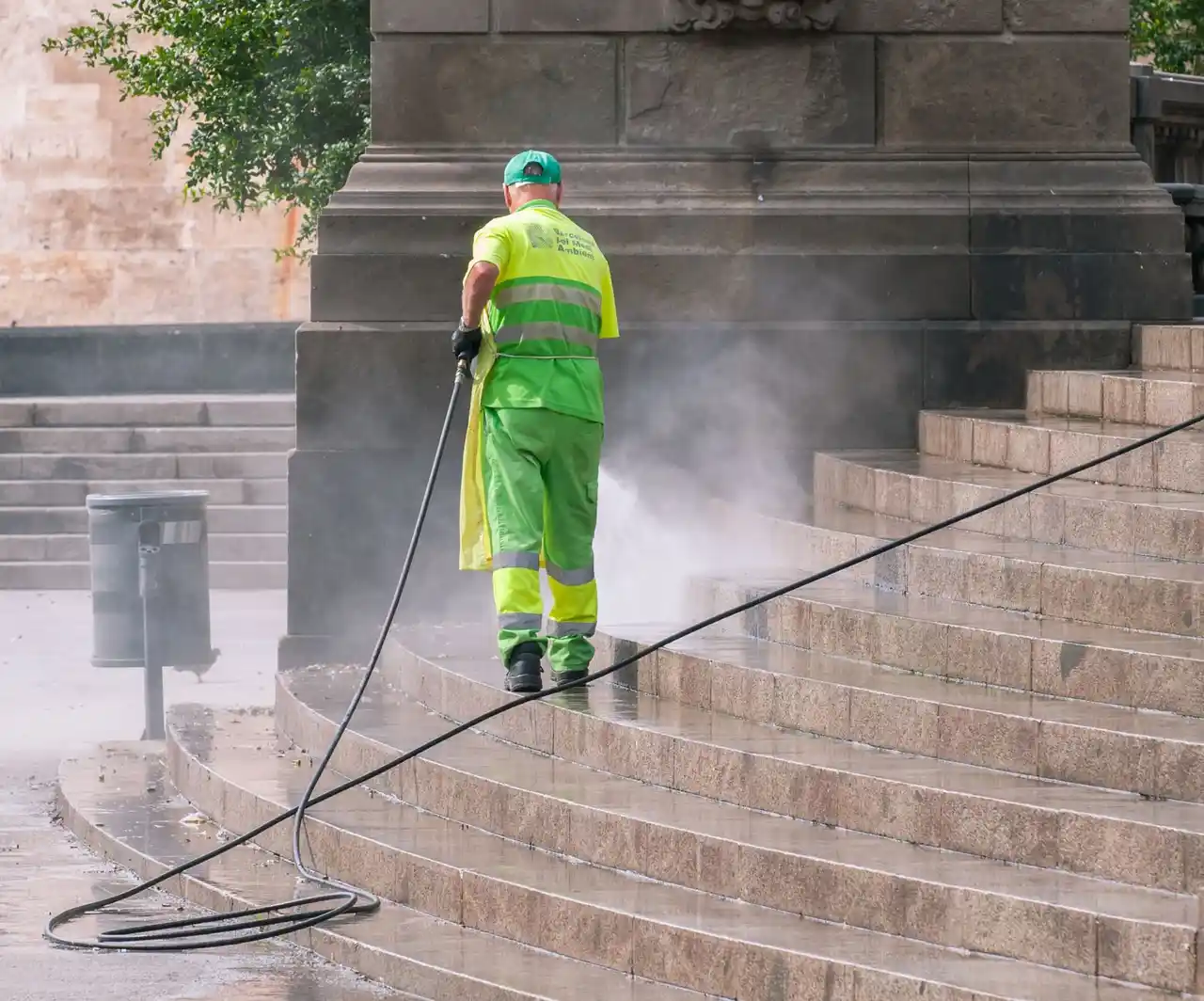
Sewage cleanup for businesses
Commercial restrooms and kitchens need prompt cleanup and disinfection so the space can reopen safely.
Restaurants
Kitchen and restroom backups on tile and drains.
Offices
Restroom overflows into carpeted hallways.
Retail suites
Floor drain and plumbing backups in shared spaces.
What Is Sewage Cleanup in Eagle Mountain?
Sewage is a health hazard, not just a mess. Doing the job properly means protective equipment, removal of porous materials, and disinfection. Anything less leaves bacteria behind in the places you cannot see.
Sewage Cleanup in Eagle Mountain is a biohazard cleanup service that removes contaminated water and materials after a sewer backup and disinfects the structure so it is safe to live in again. Under the IICRC S500 standard, sewage is Category 3 water, also called black water, because it carries pathogens such as E. coli and Salmonella. Porous materials that touched it, including carpet, pad, insulation, and drywall, generally cannot be cleaned and are removed. Hard surfaces and framing are cleaned, treated with an EPA-registered disinfectant, and dried. Crews wear PPE: respirators, gloves, boots, goggles, and disposable suits.
Backups happen in Eagle Mountain for a few reasons: a clog in the home's lateral line, roots or debris in the pipe, a main that surcharges during heavy rain, or a basement floor drain that lets sewage up. If only one fixture is backing up, the clog is usually in your own line. If several drains gurgle or back up at once, the problem may be in the main. Sewer backups in finished basements soak carpet and drywall fast, and bacteria multiply within 24 to 48 hours. Stop using water, stay out, and call.
- What it is
- Biohazard cleanup of Category 3 black water after a sewer backup.
- When it helps
- Any backup that reached carpet, drywall, or a basement floor.
- What you get
- A cleaned, disinfected, dry structure and a list of repairs left.
How Sewage Cleanup Works Here
Sewage cleanup follows a stricter order than ordinary water damage, because every step has to prevent contamination from spreading.
Equipment and Standards Used
Each method answers a different question. Together they leave very little to guess.
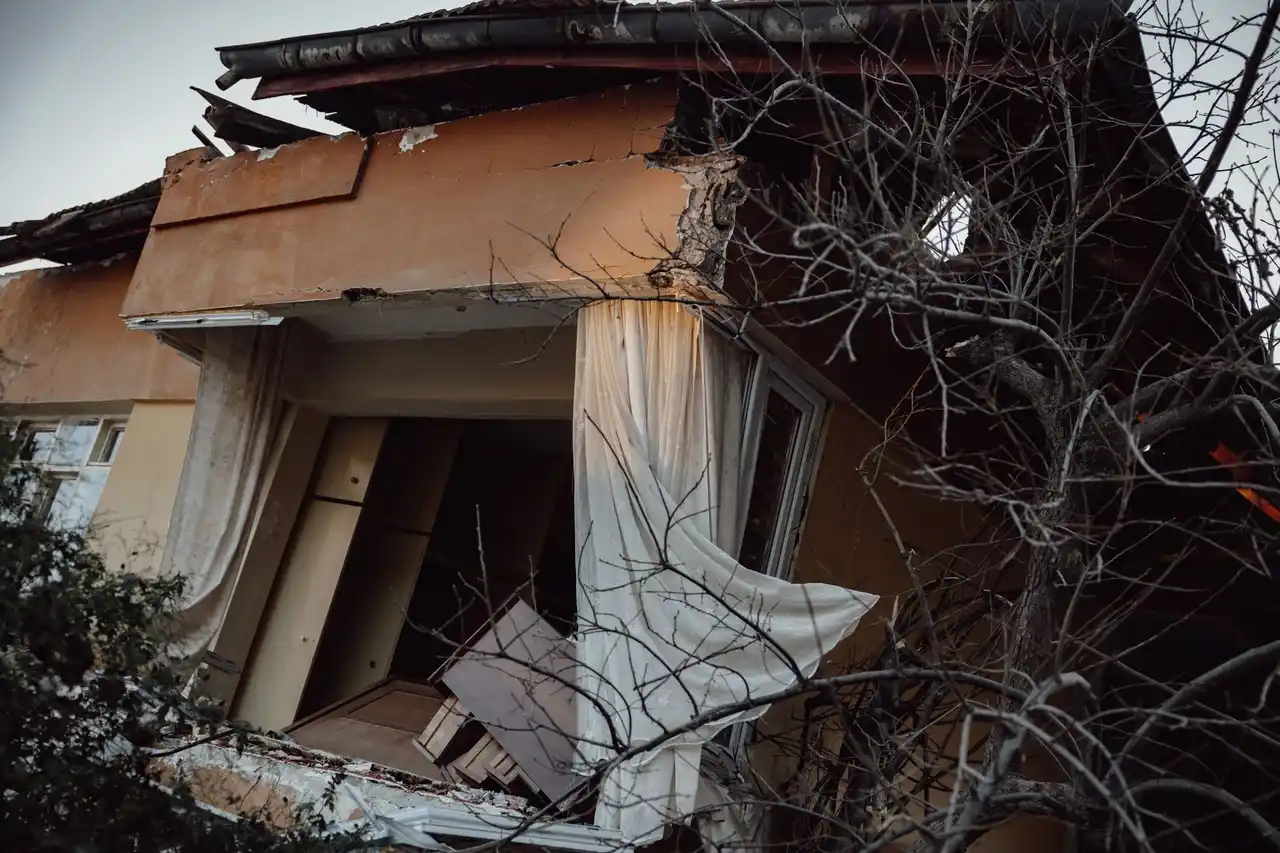
Protect workers from airborne particles and pathogens during sewage work, worn along with gloves, boots, goggles, and disposable suits.
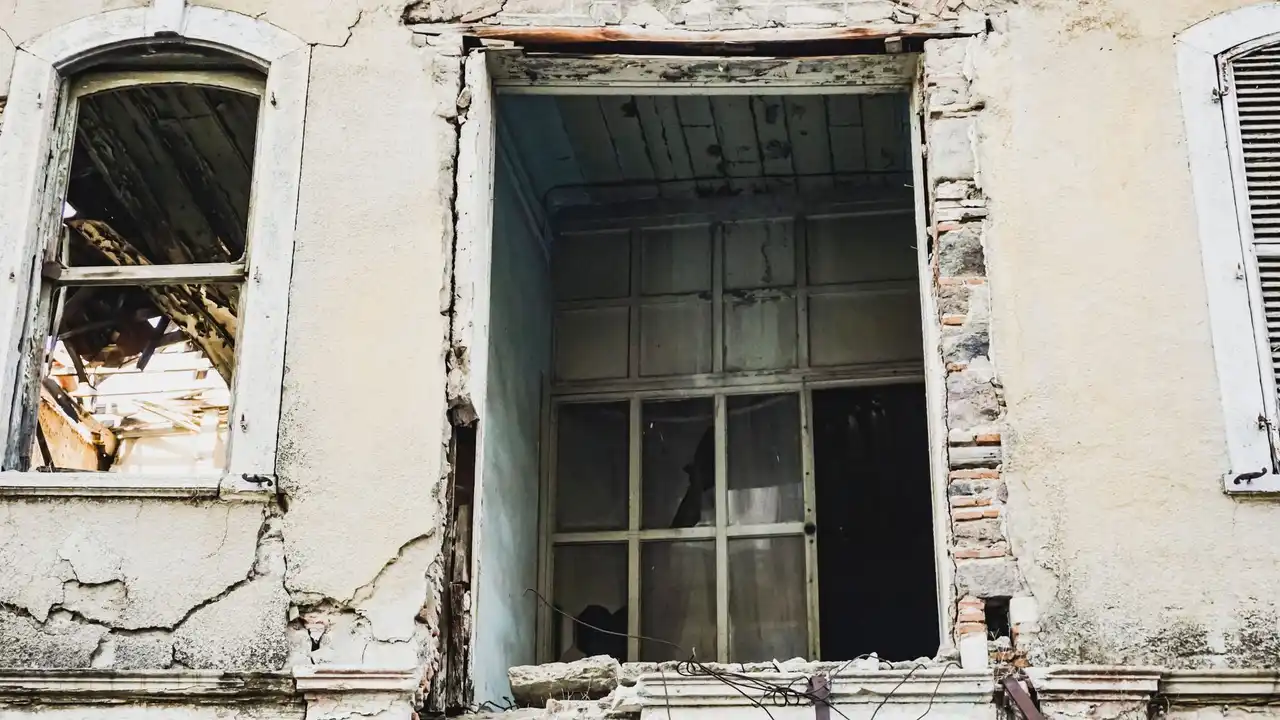
Filters air inside the containment zone and holds it under negative pressure so particles do not drift into clean rooms.
Seals the work zone from the rest of the house and covers doorways, vents, and openings while contaminated materials are removed.
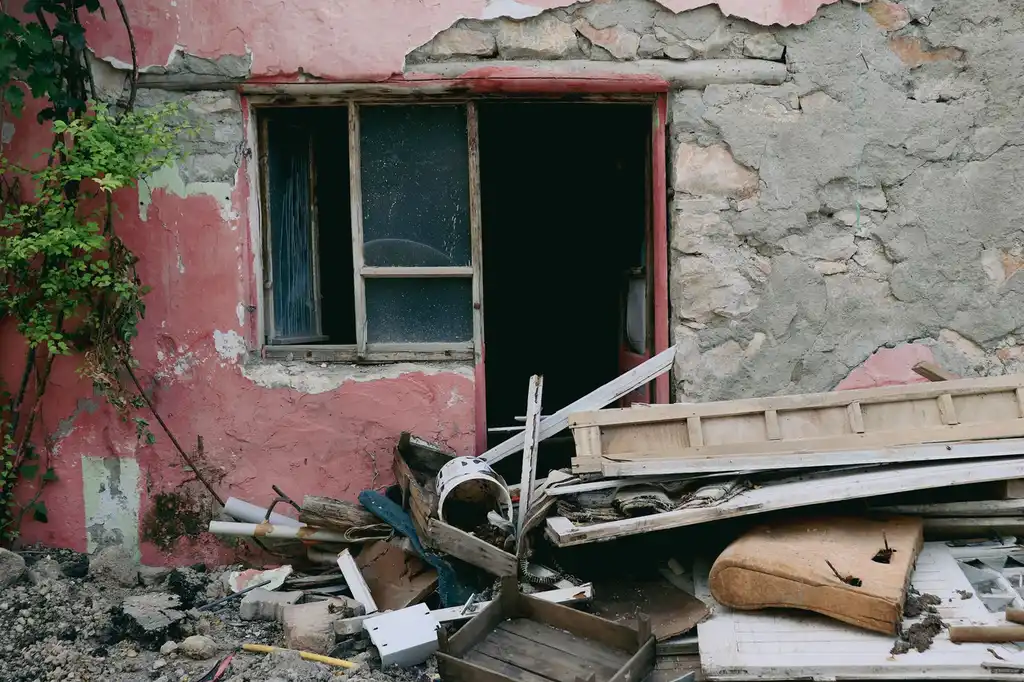
Treats cleaned framing, concrete, and subfloor to reduce pathogens, used after detergent cleaning and allowed to stay wet for the labeled contact time.
When to Call for Sewage Cleanup
A main line backup during heavy rain pushes sewage up through a basement floor drain in a Ranches home.
The crew stops water use, contains the basement with poly sheeting, extracts the sewage, removes carpet and pad and lower drywall, then…
HomesA toilet overflows upstairs in a Pioneer Addition home and sewage runs through the ceiling into the room below.
Standing water is extracted, the contaminated ceiling drywall and insulation are removed, and the floor above and the room below are cleaned,…
HomesA restaurant or office restroom backs up and sewage spreads across a tile floor and carpeted hallway.
The area is sealed off, sewage is extracted, carpet and baseboard are removed, and floors are cleaned and disinfected with drying equipment…
BusinessesA cracked drain line under a slab leaks sewage into a crawl space or wall in an Overland home.
The crew removes soaked insulation and contaminated materials, cleans and disinfects framing and soil surfaces, and dries the cavity while the plumber…
Homes
How Sewage Cleanup Runs in Eagle Mountain
Eagle Mountain is a growing community in Utah County with many newer homes, finished basements, and floor drains in lower levels. When a sewer line backs up, the basement is usually where sewage appears first, because it sits lowest in the plumbing.
The Ranches
Larger homes with finished lower levels can see sewage spread across a wide basement floor, so containment and removal areas are often large.
Pioneer Addition
Homes with basement bathrooms or laundry drains can see backups through lower fixtures first, which is where cleanup usually begins.
Overland
Newer slab and basement homes have tight, insulated walls that hold moisture, so affected drywall and insulation are checked carefully after a backup.
- The Ranches
- Pioneer Addition
- Overland
From problem to finished result.
Slide to compare the photo with an illustrative inspection view. It is generated from the photo, not a measurement.
 Photo
Basement floor drain backup
Before: A main line surcharged during heavy rain and pushed sewage through a floor drain. About 1 inch of black water covers a finished 600 square foot basement, carpet is soaked, and the smell reaches the main floor.
After: Sewage is extracted, carpet, pad, and the bottom 2 feet of drywall are removed, and the slab and framing are cleaned and disinfected. Dehumidifiers run for 4 to 5 days, and the basement reads dry with no odor.
Upstairs toilet overflow
Before: A toilet overflowed for several minutes with a clogged line and sewage ran across a bathroom floor and through the ceiling below. The ceiling is stained and the floor underlayment is soaked.
After: Standing water is extracted, contaminated ceiling drywall and insulation are removed, and the subfloor and joists are cleaned, disinfected, and dried in about 3 to 4 days. Readings confirm dry framing before repair.
Cracked drain under a slab
Before: A cracked drain line leaked slowly into a crawl space and wall cavity. The smell is constant, insulation is soaked, and a moisture meter shows wet framing 18 inches up.
After: Soaked insulation is removed, framing and soil are cleaned and disinfected, and the cavity is dried over about 5 days. Odor stops and readings match the dry reference wall.
Problems Sewage Cleanup Solves
Sewage damage gets worse every hour it sits, and the biggest problems are not the ones you can see.
A basement floor drain backed up and spread sewage across finished carpet.
Carpet and pad hold bacteria that cleaning cannot reach, and the odor spreads through the home.
Toilets and tubs are overflowing and every drain in the house is backing up.
Multiple fixtures backing up points to a blocked main, which keeps pushing sewage into the home until the blockage is cleared and water use stops.
The house smells like sewage even though the water is gone.
Odor means contamination remains in carpet, subfloor, drywall, or soil. Air fresheners cover it while bacteria and moisture continue to build.
Sewage reached a crawl space or wall cavity that is hard to see or reach.
Hidden contamination keeps releasing odor and moisture into the home, and framing can stay wet for weeks.
What Proper Sewage Cleanup Protects
Sewage is not a normal water loss, and wiping it up with a mop does not make a room safe.
Your family's health
Black water carries bacteria, viruses, and parasites that cause stomach illness and infection.
Contamination stays contained
Plastic sheeting, usually 6-mil poly, seals the work zone, and a HEPA air scrubber filters the air so contamination does not spread to clean…
Odor removed at the source
Sewage smell lives in porous materials and under floors.
A clear safe-to-rebuild point
Cleaning ends when surfaces are cleaned, disinfected, and dried, with moisture readings showing the structure at a dry standard.
What Affects Sewage Cleanup Cost
Sewage cleanup costs more than clean water cleanup, because it requires protective equipment, containment, disposal, and disinfection on top of drying.
Included
Quoted after a first look
- Containment and PPE
- Sewage extraction
- Removal of porous materials
- Cleaning and disinfection
What changes the scope
Quoted after a first look
- Affected area size
- Porous materials removed
- Containment and protection
- Days of drying equipment
What you receive on the job
Clear records you can keep and share.
Contamination map
A record of which areas and materials were affected by sewage.
Photo documentation
Before, during, and after photos of removal and cleaning.
Dry readings log
Moisture readings showing the structure reached a dry standard.
Biohazard Standards Behind the Work
Sewage cleanup is governed by contamination control, not just drying.
Water category
Sewage and floodwater are read as Category 3, which decides what is removed, what is cleaned, and what protective gear is required.
Wet line height
The height water reached on walls sets how far drywall and insulation are cut out, often 12 to 24 inches above the visible line.
Moisture readings
Meters show whether framing and slab are drying after cleaning, which tells the crew when containment can come down.
Is your Eagle Mountain area covered?
Type your ZIP code or town. If yours is not listed, call (385) 481-3042 and ask about it.
Eagle Mountain ZIP codes
- 84013
- 84005
Towns we serve.
Based in Eagle Mountain and covering the places around it. Pick one for local details.
Frequently Asked Questions
Short answers for the first few minutes. The team can cover the rest.
Still have a question?
Describe what you are seeing and we will point you to the right next step.
(385) 481-3042Yes, treat any sewage backup as an urgent health issue, because category 3 water carries pathogens and soaks into porous materials quickly. Bacteria multiply and mold can start within 24 to 48 hours. Stop using sinks, toilets, and showers, keep people and pets out, and call (385) 481-3042 so a local restoration company can be connected.
No, not once it reaches carpet, drywall, or a basement floor. Sewage carries bacteria, viruses, and parasites, and household cleaning does not reach what soaked into porous materials. A very small overflow on a hard bathroom floor is the only case homeowners sometimes handle, and even then gloves, boots, and disinfectant are essential.
Most sewage jobs take 3 to 7 days from extraction to a clean, dry structure. Removal and cleaning usually happen in the first 1 or 2 days, with drying and disinfection following. Larger basement backups or ones that reached walls can run longer. The crew stops when surfaces are disinfected and readings match a dry reference wall.
It depends on where the blockage is. A clog in the lateral line between your home and the main is generally the homeowner's responsibility, while a blockage in the city main is the utility's. A plumber with a camera can show where the clog is, and your city public works or sewer district can check the main. Call (385) 481-3042 for the cleanup either way.
Related Services
Other services from the same team.
- Emergency Water DamageEmergency water damage restoration in Eagle Mountain is for active problems: water still flowing, a ceiling sagging under…
- Water ExtractionWater extraction pulls standing water out of carpet, flooring and rooms before it soaks into walls and subfloor.
- Flood CleanupFlood cleanup covers the removal of water, mud and damaged materials after a heavy storm, a failed water…
Call Now for Sewage Cleanup in Eagle Mountain
(385) 481-3042Every hour sewage sits, it soaks deeper into carpet, drywall, and subfloor.
Call to Get Connected
If water is damaging your home in Eagle Mountain or a nearby Utah County town, call (385) 481-3042. Tell us what happened, where the water is and whether it is still flowing. We connect you with an independent local water damage restoration company that serves your address.
Call to get connected
Call (385) 481-3042 and tell us what happened, where the water is and whether it is still flowing. We connect you with a local water damage restoration company serving Eagle Mountain and nearby towns.