Burst Pipes and Insurance: What Utah Homeowners Should Know
Does homeowners insurance cover burst pipes? General information for Utah homeowners on frozen pipe coverage, winter precautions, and what to do first.
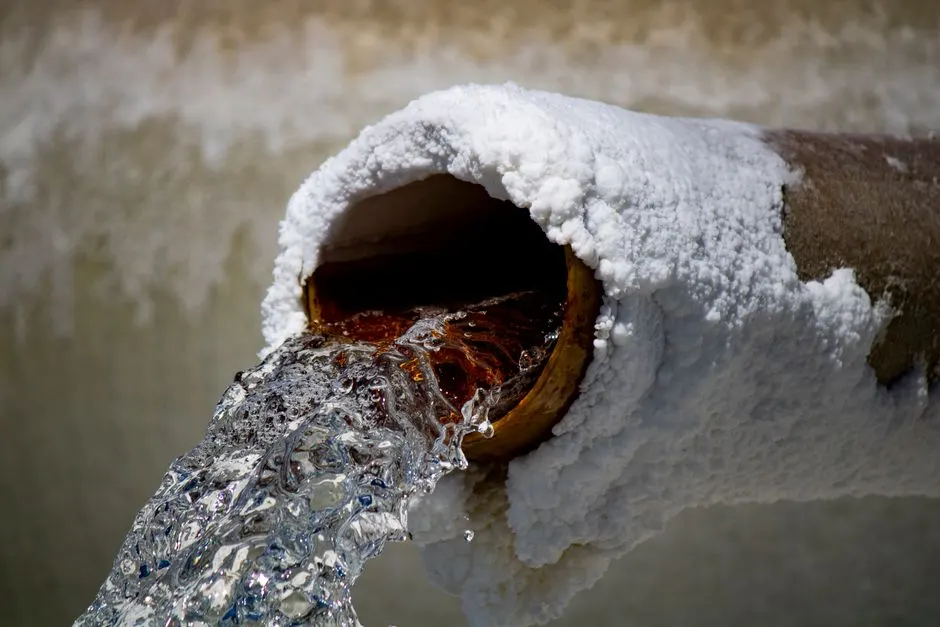
Many homeowners policies cover the water damage that results from a sudden burst pipe, including a pipe that splits in a freeze, but they often do not pay to repair the pipe itself and may place conditions on frozen pipe losses. Terms vary, so check your own policy and ask your insurer.
This is general information, not legal or insurance advice. It is written for November in Utah, when the first hard freezes arrive and burst pipe calls rise across Eagle Mountain and Utah County.
Does Homeowners Insurance Cover Burst Pipes?
Homeowners insurance often covers the damage caused by a burst pipe when the burst is sudden and accidental, and the water damage to floors, walls, and belongings is usually the part that is addressed.
The pipe itself and the cost to access it are treated differently across policies. Some pay to tear out and replace parts of a wall to reach the break, while others limit that coverage. The damage the water caused downstream is the larger category for most losses.
Conditions apply. Some policies expect the home to have been heated or the water shut off if the home was vacant. If a policy has such a condition, it appears in the policy language, which is why reading it matters before winter.
Why Pipes Burst in Eagle Mountain Winters
Pipes burst in Eagle Mountain winters when water inside them freezes and the expanding ice builds pressure between the blockage and a closed faucet.
Water freezes at 32 degrees Fahrenheit, but pipes in exterior walls, attics, garages, and crawl spaces can reach that temperature when outdoor air stays below freezing for several hours. The break usually happens on the section between the ice and the faucet, and the water flows when the ice thaws.
Eagle Mountain has seen fast growth, with many newer homes. Even newer houses have exposed lines in garages, outdoor hose bibs, and runs along exterior walls, so age is not the only risk. Our page on Burst Pipe Water Damage in Eagle Mountain describes what the cleanup process looks like.
What Does a Policy Usually Cover After a Burst Pipe?
A policy usually covers the resulting water damage to the home and belongings when the loss is covered, subject to limits and the deductible.
- Dwelling: drywall, flooring, insulation, cabinets, and trim damaged by the water.
- Personal property: furniture, electronics, and clothing that got wet.
- Loss of use: some policies help with temporary housing costs if the home cannot be lived in.
- Water removal and drying: reasonable steps to limit further damage are commonly part of a covered loss.
Each category has its own limit. The declarations page lists them.
What May Not Be Covered
Several items on a burst pipe job are commonly limited or excluded, and knowing them ahead of time avoids surprises.
- The cost to repair or replace the broken pipe itself, in many policies.
- Damage from a slow leak that went on for days or weeks rather than a sudden burst.
- Losses that policy language ties to failing to heat the home or shutting off water in a vacant property.
- Mold, which may be limited or capped even after a covered loss.
- Outdoor lines and sprinkler systems, depending on the policy.
Policies vary widely on these points. Your insurer can tell you which apply to your policy.
Winter Precautions Policies May Expect
Many homeowners policies expect reasonable care in winter, and practical precautions both protect the house and support a claim.
- Keep the thermostat set at 55 degrees Fahrenheit or above, even when you travel.
- Disconnect hoses and shut off exterior hose bibs before the first freeze.
- Open cabinet doors under sinks on exterior walls during cold snaps.
- Let a faucet drip when the forecast is far below freezing, since moving water is harder to freeze.
- Know where your main water shutoff is, and make sure everyone in the house can find it.
- Seal gaps where pipes pass through exterior walls or the garage.
If you plan to be away, ask your insurer what they expect for a vacant or unoccupied home.
What to Do in the First Hour
After a pipe bursts, the first priority is stopping the water and keeping everyone safe.
- Shut off the main water supply.
- If water is near outlets, the panel, or appliances, do not touch them. Turn off power at the breaker only if you can reach it without standing in water.
- Open faucets on the lowest level to drain remaining water from the lines.
- Move small valuables and furniture out of the wet area.
- Take photos and video of everything before you clean up.
- Call your insurer to report the loss and ask about requirements.
- Call a restoration company to remove water and start drying.
Standing water that stays for 24 to 48 hours increases the risk of mold, so acting quickly matters for both the house and the claim. For the first-day steps, Emergency Water Damage in Eagle Mountain lays out what to do while you wait for help. A crew will begin with Water Extraction in Eagle Mountain, which pulls out standing water before drying begins.
Documenting a Burst Pipe Loss
Good documentation helps whatever your coverage turns out to be.
Photograph the broken pipe, the wet areas, and any damaged belongings from several angles. Note the date and time you discovered it and when you shut off the water. Keep damaged items if you can, and keep receipts for emergency expenses.
Write down what was said in each call with your insurer, including the name of the person and the date. Ask your insurer which records they want. Moisture readings and drying logs from the restoration company can show the extent of the loss and the work done.
Common Mistakes
These errors turn a manageable burst pipe into a larger loss.
- Waiting to see if the leak stops. It will not, and every hour adds damage.
- Skipping the shutoff. A pipe can discharge water for as long as the supply stays on.
- Using fans only. Fans move air but do not remove moisture from framing and subfloors.
- Assuming coverage. Do not guess. Call your insurer and read the policy.
- Throwing items away first. Photograph and list them before disposal.
When to Call a Professional
Call a restoration professional whenever a burst pipe has put water on floors or into walls, because hidden moisture is not visible from the surface.
Water Cleanup Eagle Mountain connects homeowners with independent local restoration companies and does not decide insurance coverage. The crew you are connected with can remove water, check moisture inside walls, and set drying equipment while you talk to your insurer. Cold weather affects the surrounding towns equally, and homeowners can also read about Water Damage Restoration in Lehi and Water Damage Restoration in Herriman for the same winter pattern.
Frequently Asked Questions
Does homeowners insurance cover a frozen pipe that bursts?
Often yes for the resulting water damage, when the burst is sudden, though policies vary. Some include conditions about heating the home. Check your policy and ask your insurer.
Does insurance pay to fix the pipe itself?
Many policies do not pay for the broken pipe, though they may pay for the damage it caused. Some cover access costs, so ask what your policy includes.
What temperature do pipes freeze?
Water freezes at 32 degrees Fahrenheit. Pipes in exterior walls, garages, and crawl spaces can reach that point when outdoor temperatures stay below freezing for several hours.
Should I call my insurer or a restoration company first?
Shut off the water, then do both promptly. Drying delays raise mold risk within 24 to 48 hours, and your insurer can explain claim requirements.
What if I was away when the pipe burst?
Coverage can depend on policy conditions for vacant or unoccupied homes. Tell your insurer exactly when you left and when you returned, and read the relevant policy section.
Get help with Water Damage Restoration in Eagle Mountain
When a pipe lets go, the water keeps moving until it is stopped and removed. Call (385) 481-3042 and we connect you with a local water damage restoration company serving Eagle Mountain.