Water Damage Restoration Cost in Eagle Mountain: What Drives the Price
Water damage restoration cost in Eagle Mountain comes down to square footage, water category, materials, drying days and mold. Here is how each factor moves the price.
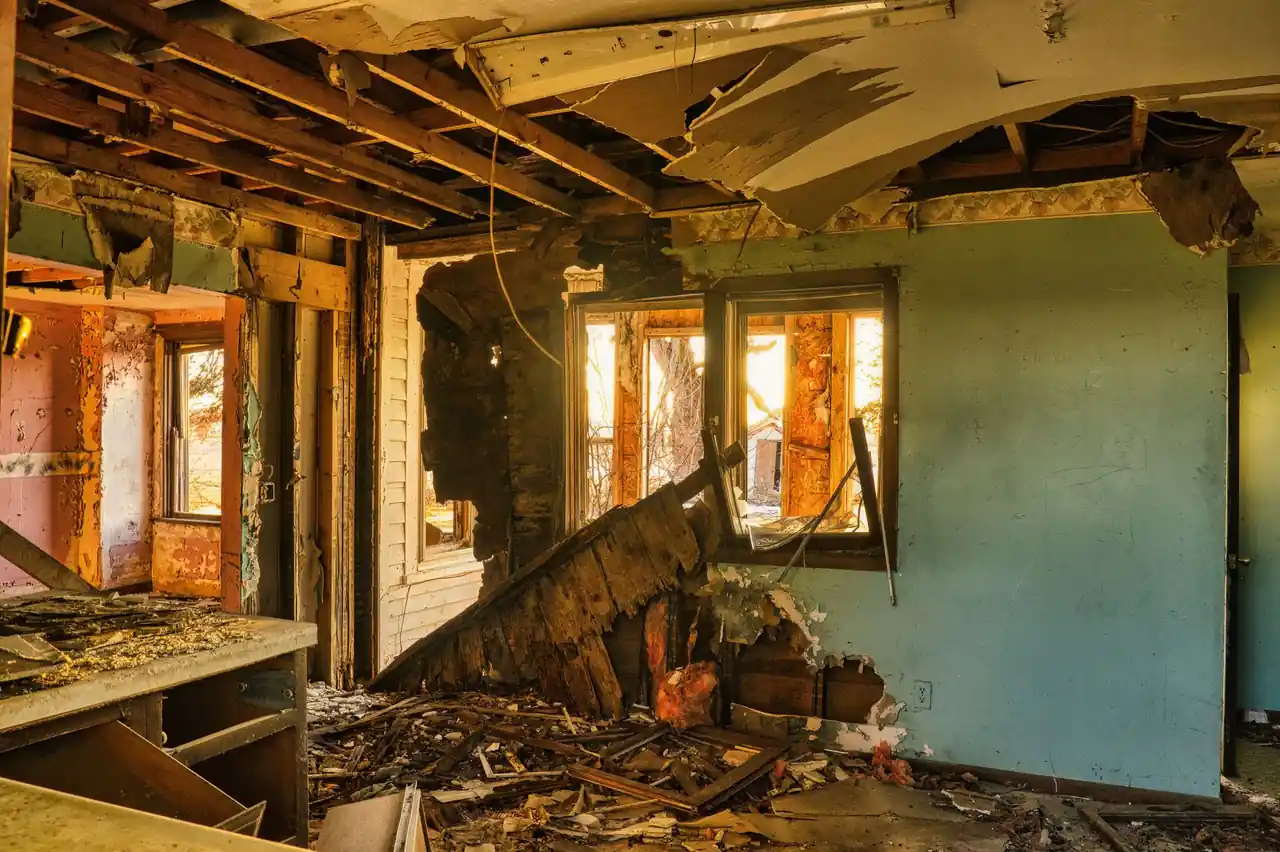
Water damage restoration cost in Eagle Mountain is not a flat rate. It is set by five things: how many square feet got wet, what category of water it was, which materials soaked it up, how many days of drying it takes, and whether mold has started. Change any one of those and the final bill moves.
This guide walks through each factor so you know what you are looking at before you pick up the phone. It leans on winter, because a November cold snap is when frozen pipes and sudden floods hit homes across Utah County.
What Is Water Damage Restoration and What Does the Price Cover?
Water damage restoration is a multi-step process that removes standing water, dries structural materials, and returns a home to a safe, usable condition after a leak, flood, or burst pipe.
The price reflects labor and equipment across those steps. A typical job includes water removal, moisture mapping with meters, setting air movers and dehumidifiers, removing materials that cannot be saved, and monitoring until readings come back to a dry standard.
The industry reference for all of this is the IICRC S500 standard, which describes water categories and drying goals. Knowing the vocabulary helps you read any scope of work you are handed.
What Determines Water Damage Restoration Cost in Eagle Mountain?
Water damage restoration cost in Eagle Mountain is determined by the size of the affected area, the water category, the materials involved, the length of the drying period, and any mold or structural repair on top. That is the whole list.
Notice what is missing: the brand of equipment and the time of day matter far less than the damage itself. Two homes on the same street can land in very different places because one had a ten minute leak caught early and the other had a slow leak behind a wall for a week.
When you call (385) 481-3042 we connect you with an independent local restoration company, and the crew you are connected with can scope your specific situation. We do not quote numbers on this page because no honest number exists without seeing the damage.
Square Footage and How Far the Water Spread
The number of square feet affected is the first driver of restoration cost, because every square foot needs measuring, drying, and monitoring.
Water spreads farther than it looks. A pool the size of a dining table on a hardwood floor can wick under baseboards and into the wall cavity, so moisture meters often find wet material several feet past the visible edge.
Height matters too. Water that climbs two feet up drywall means flood cuts, which is cutting the wall at a set height and removing the wet section. More wall removed means more labor now and more rebuild later.
Rooms also matter. A single bathroom is a small job. A leak that crosses a kitchen, hallway, and into a bedroom means more containment, more air movers, and more days of readings.
Water Category: Clean, Gray, or Black
The water category is the second biggest cost driver, because the IICRC S500 standard sorts water into three categories and each one changes what can be saved.
- Category 1: clean water from a supply line, such as a broken pipe or an overflowing sink.
- Category 2: gray water with some contamination, such as a dishwasher or washing machine discharge.
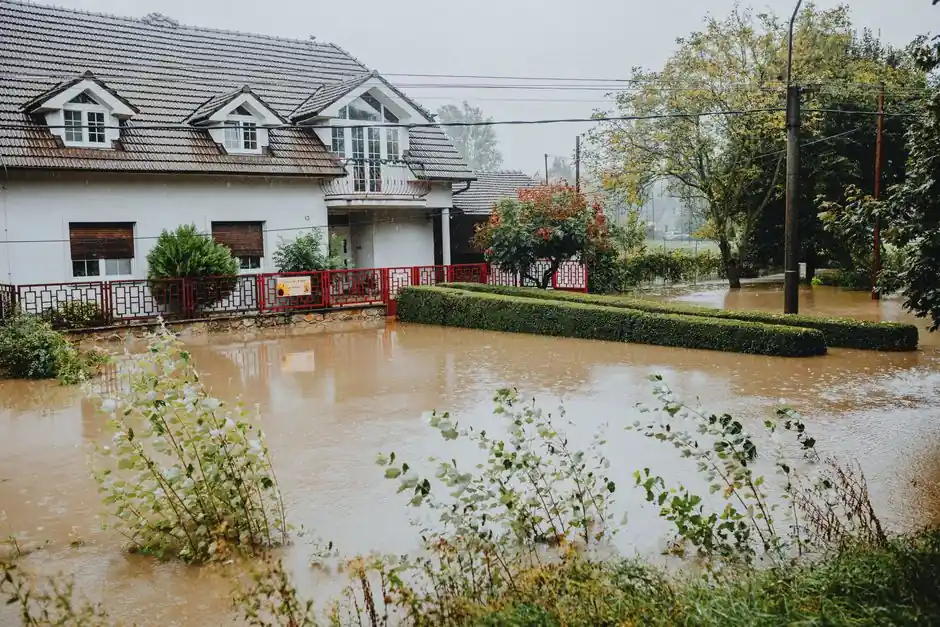
- Category 3: black water carrying serious contaminants, such as sewage backups or river flooding.
Category 1 water left sitting can degrade into Category 2 in roughly 48 hours. That is why speed changes the price: early drying keeps a simple job simple.
Category 3 is the most involved. Porous materials like carpet, pad, and drywall that touched sewage are typically removed rather than dried, and work areas are sealed off. If sewage is part of your situation, Sewage Cleanup in Eagle Mountain explains how that kind of job differs from a clean water leak.
Materials and Hidden Moisture
The materials your home is built from decide how much can be dried in place and how much must be torn out.
Hardwood and engineered flooring can cup and buckle within a few days of getting wet. Carpet itself can often be dried, but the pad underneath is commonly replaced. Drywall wicks water upward and may crumble, and fiberglass insulation holds water like a sponge.
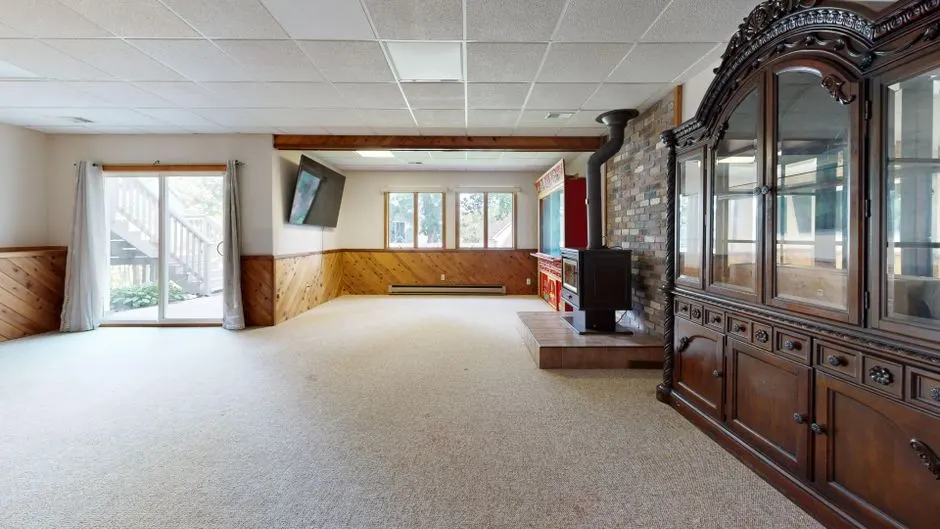
Finished basements raise the stakes. Eagle Mountain homes with finished lower levels have framing, insulation, flooring, and trim all in one wet zone, so more layers are involved than in an unfinished basement with a bare concrete floor.
Hidden moisture is the wildcard. Water trapped in a wall cavity, under cabinets, or beneath a subfloor does not show on the surface, which is why a restoration crew uses meters and often thermal cameras rather than eyeballing it.
Drying Days and Equipment
Drying time drives equipment charges, because every day an air mover or dehumidifier runs in your home is part of the job.
Structural drying commonly takes 3 to 5 days, though a dense, saturated area can take longer. The crew sets air movers to push moving air across wet surfaces and low-grain-refrigerant (LGR) dehumidifiers to pull moisture out of the air. A typical room may need several air movers plus at least one dehumidifier.
The aim is a moisture reading that matches a dry reference point, not a job that simply looks dry. Technicians come back each day to check the readings and move equipment, and the job ends when the meter says it is done, which is why the drying days vary from house to house.
Starting with proper Water Extraction in Eagle Mountain shortens this window, because the less water left to evaporate, the fewer days the equipment has to run.
Mold and Secondary Damage
Mold is the factor that can turn a modest drying job into a much larger project, and it can begin growing in 24 to 48 hours on damp material.
Once mold is present, the work changes. The area may need containment, air filtration, and removal of affected drywall or trim before drying even finishes. That adds a separate remediation scope on top of the water work.
Secondary damage includes swollen cabinets, warped subfloor, stained ceilings, and corroded fasteners. These show up later and add to the repair list. If you are already seeing fuzzy growth or smelling a musty odor, Mold Remediation in Eagle Mountain is worth reading before you decide what to do next.
Rebuilding is a separate cost from restoration. Drying and demolition get the house safe and dry. Replacing drywall, paint, flooring, and trim afterward is the reconstruction side, and it often is quoted on its own.
Winter Freeze Factors in Eagle Mountain
Winter changes water damage costs in Eagle Mountain, because freezing nights can crack pipes in exterior walls, garages, and crawl spaces and release water for hours before anyone notices.
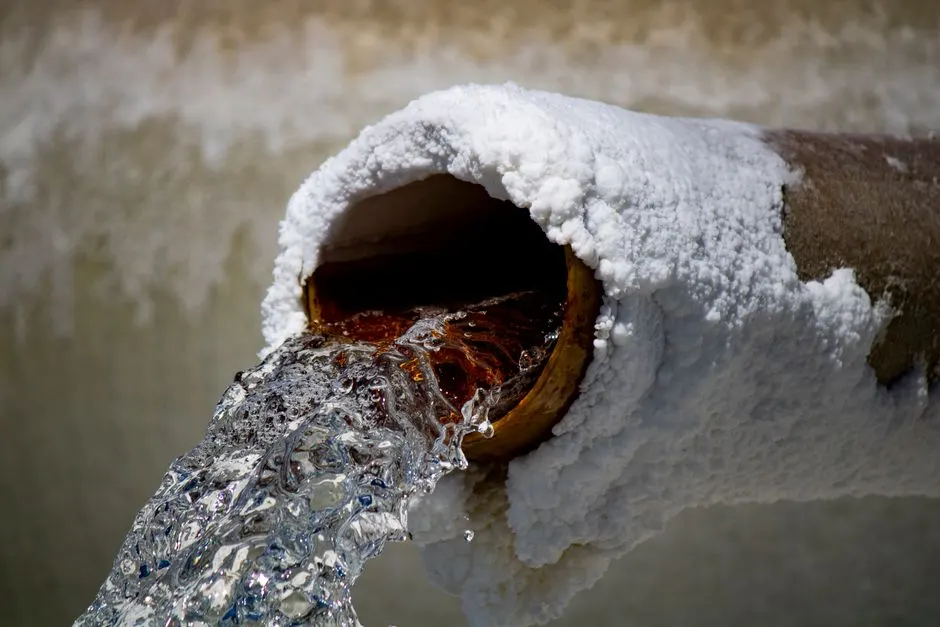
Water freezes at 32 degrees Fahrenheit, and a pipe can split when ice builds pressure inside it. The damage often appears when the pipe thaws and the leak starts. A burst line in a vacant upstairs bathroom can run for a long time before the ceiling below shows a stain.
Those slow, hidden leaks usually mean more wet area and more materials affected. If a pipe is the cause, reading about Burst Pipe Water Damage in Eagle Mountain gives you the typical sequence from shutoff to drying.
Cold also slows drying. A house kept cool during a cold snap holds moisture longer, so heating the space to a normal indoor temperature helps equipment work and may shorten the job.
Common Mistakes That Raise the Bill
Several well-meaning moves make a water damage job bigger than it needs to be.
- Waiting to see if it dries on its own. Materials left wet for 48 hours or more are more likely to need removal.
- Skipping the shutoff. Locating the main water shutoff and closing it stops new water from adding to the damage.
- Using household fans only. They move air but do not remove the humidity that makes walls and framing stay wet.
- Covering wet materials. Painting, re-laying carpet, or closing a wall over damp framing traps moisture and invites mold.
- Ignoring a small stain. A ceiling spot can be the visible tip of a large wet cavity.
Photograph the damage before anything is moved. Clear photos and a list of what got wet make it easier to explain your situation to the restoration company and to your insurance company if you file a claim.
When to Call a Professional
Call a restoration professional when water has spread past a single small spot, when it has been wet for more than a day, or when it came from a source other than a clean supply line.
If you see standing water, soaked drywall, a sagging ceiling, a musty smell, or you are unsure how far the moisture went, getting a pro to measure it is the safe move. Water Cleanup Eagle Mountain connects homeowners in Eagle Mountain, Saratoga Springs, Lehi, Herriman, American Fork, and Bluffdale with independent local restoration companies that handle this work.
Neighbors in nearby towns deal with the same freeze and flood patterns, which is why pages like Water Damage Restoration in Lehi and Water Damage Restoration in Saratoga Springs cover the same core process. Electrical hazards come first: if water is near outlets or the panel, stay out and shut off power only if you can reach the breaker safely and dry.
Frequently Asked Questions
Why can't anyone give me an exact price over the phone?
The price depends on square footage, water category, materials, and drying days, and those cannot be known until the damage is measured. A crew uses moisture meters on site to map what is actually wet.
Does the type of water change the cost?
Yes. Clean water from a supply line is usually the simplest job, while gray or black water adds containment, disposal, and material removal. Category 3 sewage jobs generally involve the most work.
How long does drying take?
Structural drying commonly takes 3 to 5 days. Larger or heavily saturated areas can take longer, and the crew checks moisture readings daily until the materials reach a dry standard.
Does mold make restoration cost more?
It can. Mold can start within 24 to 48 hours, and once it is present the job may need containment and removal of affected materials in addition to drying.
Is water damage restoration the same as rebuilding?
No. Restoration covers water removal, drying, and demolition of unsalvageable materials. Rebuilding, such as new drywall, paint, and flooring, is a separate stage that often has its own scope and cost.
Get help with Water Damage Restoration in Eagle Mountain
If water is already in your home, the sooner it is measured and dried, the more likely the job stays on the small side in 2026 and beyond. Call (385) 481-3042 and we connect you with a local water damage restoration company serving Eagle Mountain.