How to File a Water Damage Insurance Claim
How to file a water damage insurance claim: general steps for Utah homeowners, from stopping the water and documenting damage to working with your insurer.

To file a water damage insurance claim, stop the water, document the damage with photos and video, read your policy, report the loss to your insurer as soon as possible, and take reasonable steps to prevent further damage while the claim is reviewed. The exact process depends on your policy and insurer, so ask them what they require.
This is general information, not legal advice. It reflects common steps for Utah homeowners and leans on winter, when frozen and burst pipes lead many Eagle Mountain households to file their first claim.
How Do You File a Water Damage Insurance Claim?
You file a water damage insurance claim by contacting your insurer to report the loss, giving them the details of what happened, and following their instructions for documentation and inspection.
Most insurers take claims by phone or through an app or website. The steps in this post apply to all of them. What changes is the paperwork each insurer asks for and how quickly an adjuster is assigned, which varies.
The work that decides how smooth the process feels happens in the first day: stopping the water, taking photos, and starting to dry the home.
What Is a Water Damage Insurance Claim?
A water damage insurance claim is a request to your insurer to pay for repairs or replacement after a loss that your policy may cover, such as a burst pipe or appliance failure.
Filing is not the same as being paid. The insurer reviews the cause, the damage, and your policy language, then decides whether and how much to pay. You may also decide not to file if the damage is smaller than your deductible, and some homeowners ask their insurer about that before opening a claim.
Step 1: Stop the Water and Stay Safe
Stopping the source of the water is the first step in any claim, because policies generally expect you to limit further damage.
Shut off the main water supply or the valve to the failed fixture. If water is near outlets, the electrical panel, or appliances, stay out and keep others away. Turn off the breaker only if you can reach it without standing in water. Water that smells like sewage or looks dark should be treated as contaminated.
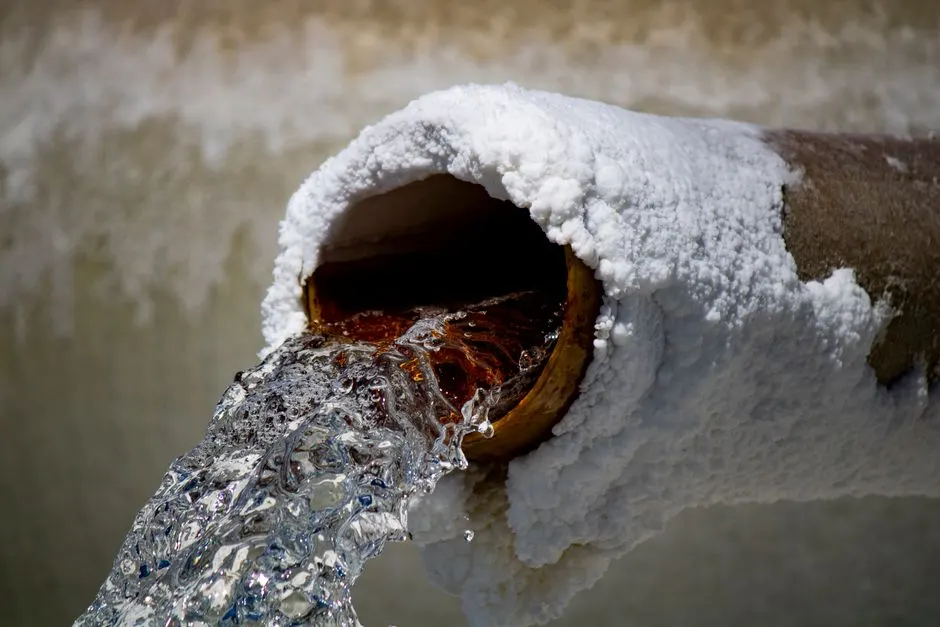
In winter, a burst pipe is the common trigger. If that is your situation, Emergency Water Damage in Eagle Mountain explains the immediate steps in more detail.
Step 2: Document Everything Before You Clean Up
Documentation is the backbone of a claim, and you should create it before moving or discarding anything.
- Take wide photos of each affected room, then close-ups of damage.
- Video a slow walkthrough while describing what you see.
- Photograph the source, such as the burst pipe or failed hose.
- List damaged belongings with a description, approximate age, and where you bought it.
- Note the date and time you discovered the problem and when you shut off the water.
- Keep damaged items when possible until your insurer says otherwise.
Back up photos to a cloud account or second device so they are not lost if a phone fails.
Step 3: Read Your Policy
Reading your policy before the call helps you ask better questions and avoid assumptions.
Look at the declarations page for your coverage limits and deductible. Then find the sections on covered causes of loss, exclusions, and any endorsements you added, such as water backup coverage. Check how the policy treats sudden versus gradual damage, since many policies cover the first and exclude the second.
If the policy language is hard to follow, ask your insurer to explain it. You are allowed to ask questions before and during the claim.
Step 4: Report the Claim to Your Insurer
Report the loss to your insurer promptly, since most policies require prompt notice and delays can complicate the review.
Have these ready when you call:
- Your policy number and the address of the home.
- The date, time, and cause of the water, as best you know.
- A description of the damage and what you have done to limit it.
- Your photos and list of damaged items.
Write down the claim number, the name of the person you spoke with, and the date. Ask what documents they want, whether they will send an adjuster, and what they expect from you in the meantime.
Step 5: Start Drying and Keep Records
Drying should begin right away, because mold can start growing in 24 to 48 hours on wet materials and policies usually expect you to prevent further damage.
Emergency steps such as water removal and setting drying equipment are generally treated as reasonable mitigation. Keep receipts and invoices for anything you pay for during the emergency, and ask your insurer how they handle those costs. A restoration company can provide moisture readings and a record of the work done, which may help document the extent of the loss.
Standing water is removed first, which is what Water Extraction in Eagle Mountain covers, then structural drying runs for commonly 3 to 5 days. If mold appears, Mold Remediation in Eagle Mountain explains the separate steps involved.
Working With the Adjuster
An adjuster is the insurer's representative who inspects the damage and evaluates the claim, and working with one goes better when you are organized.
Show the adjuster the source of the water, the affected areas, and your documentation. Point out any damage in places that are not obvious, such as inside a wall cavity or under flooring. Ask for the findings and any estimate in writing, and keep copies of everything.
If you disagree with a decision, ask your insurer to explain the reasoning and the policy language behind it. Many policies describe a process for disputes. For legal questions about your rights, talk to a qualified professional.
Common Mistakes
Several errors make claims harder than they need to be.
- Waiting to report. Prompt notice is usually required.
- Throwing items out too soon. You lose evidence of what was damaged.
- Skipping mitigation. Letting water sit can shift damage from covered to avoidable.
- Signing before understanding. Read anything before you sign and ask questions.
- Losing track of calls. Keep a running log of who said what and when.
When to Call a Professional
Call a restoration professional as soon as the water is stopped, since drying cannot wait for the claim to be processed.
Water Cleanup Eagle Mountain connects homeowners with independent local restoration companies and does not handle insurance decisions. The crew you are connected with can remove water, measure moisture, and explain the work while you speak with your insurer. Nearby communities face the same winter problems, and pages like Water Damage Restoration in American Fork and Water Damage Restoration in Bluffdale describe the same process locally.
Frequently Asked Questions
How soon should I file a water damage claim?
As soon as possible after you discover the loss. Many policies require prompt notice, and wet materials can develop mold within 24 to 48 hours. Your insurer can tell you any specific deadlines.
What should I photograph?
Photograph the source of the water, every affected room, and each damaged item before moving it. Add a walkthrough video and note the date and time you found the damage.
Do I need to wait for the adjuster before drying?
No. Stop the water and begin drying right away to limit damage, after taking photos. Keep records and receipts, and ask your insurer how they treat emergency expenses.
Will filing a claim raise my premium?
It can depend on the insurer and policy. Ask your insurer how a claim might affect your policy before you decide, especially for smaller losses near your deductible.
Can I file if the damage is below my deductible?
You can, but the insurer would generally pay only the amount above the deductible. Some homeowners pay for small repairs directly. Ask your insurer how they handle it.
Get help with Water Damage Restoration in Eagle Mountain
Document the damage, call your insurer, and get the drying started as soon as you find the water. Call (385) 481-3042 and we connect you with a local water damage restoration company serving Eagle Mountain.