Water Mitigation vs Restoration: What's the Difference?
Mitigation stops the damage from growing. Restoration puts the home back. Here is how the two phases differ, and why the order matters for Eagle Mountain homes.

Water mitigation is the emergency work that stops water damage from spreading, while water restoration is the repair work that puts your home back to its pre-loss condition. Mitigation comes first and usually takes days; restoration follows once the structure is dry and can take days to weeks depending on how much was damaged.
People use the two terms as if they mean the same thing, and in casual conversation they often do. In an insurance claim and in a professional scope of work they are different phases with different goals. Knowing which is which helps you read an estimate and ask the right questions in Eagle Mountain, where winter freezes make quick mitigation especially important.
What is the difference between water mitigation and restoration?
Mitigation limits the damage, and restoration repairs the damage that was done. Think of mitigation as stopping the bleeding and restoration as the recovery.
Water mitigation is the set of emergency steps, such as stopping the source, removing standing water, and drying the structure, that keep a water loss from getting bigger. Water restoration is the rebuild phase that replaces what could not be dried or saved, such as drywall, insulation, flooring, cabinets and paint.
- Goal of mitigation: reduce the size of the loss and prevent mold.
- Goal of restoration: repair or replace damaged materials and return the home to normal use.
- Timing of mitigation: the first hours and days, with drying commonly lasting 3 to 5 days.
- Timing of restoration: after the structure reads dry, often a few days to several weeks.
What does water mitigation include?
Water mitigation typically includes stopping the source, extracting standing water, removing materials that cannot be dried, and setting equipment to dry the rest. Each step has one purpose, which is to keep the water from soaking further into the structure.
A typical sequence looks like this:
- Stop the source. A plumber or you at the main shutoff valve ends the flow.
- Extract the water. Pumps and extraction tools remove standing water. Our page for Water Extraction in Eagle Mountain explains that step in more detail.
- Assess with moisture meters. A restoration pro maps where water traveled, including behind walls and under floors.
- Remove what cannot be saved. Soaked carpet pad, saturated insulation and swollen baseboard are usually removed because they hold water and feed mold.
- Dry the structure. Air movers and LGR dehumidifiers run for typically 3 to 5 days, with readings checked daily.
- Protect contents. Items that can be saved are moved, cleaned or stored.
Mitigation also covers emergency protective steps, such as tarping a roof opening after storm damage or boarding a broken window. We explain the overall approach on our page about Water Mitigation in Eagle Mountain.
What does water restoration include?
Water restoration includes the repair and rebuild work that follows drying, such as replacing drywall, installing new insulation, laying flooring, painting and reinstalling trim or cabinets. It starts when the structure has been confirmed dry by moisture readings, not before.
If drywall is hung over wet framing, mold and warping show up later. That is why restoration waits for dry readings, and why a mitigation crew should be able to tell you when the building has reached its dry standard. After a significant loss, restoration may also include odor control, cleaning of contents and, if mold is found, a separate mold remediation step. Our overview of Mold Remediation in Eagle Mountain explains how that fits in.
Restoration is also where a general contractor license may come into the picture. Many mitigation crews do their own rebuild, and some hand it to a separate contractor. Ask in advance who will do which phase, and ask who holds any Utah license that the rebuild work needs.
Why does the order matter?
Mitigation must come first because rebuilding over a wet structure traps moisture, and mold can begin to grow in 24 to 48 hours on damp materials. A fast, thorough mitigation phase shrinks the restoration phase, so there is less to rebuild.
Water also keeps moving. Wet drywall can wick water 12 to 24 inches above the visible waterline, and water in a basement can travel along framing into rooms above. Early moisture mapping finds those hidden areas while they are still easy to dry. Skipping that step is how a small kitchen leak becomes a full wall replacement months later.
The IICRC S500 water damage standard supports this order. It treats rapid water removal and structured drying as the way to limit loss, and it sorts water into categories from clean to grossly contaminated so the right materials get removed. You do not need to memorize it, but it is the industry reference for how mitigation is supposed to be done.
How mitigation and restoration show up in an insurance claim
Insurance companies typically treat mitigation and restoration as separate parts of one claim, and many policies expect you to start mitigation promptly to prevent further loss. Mitigation is often invoiced and approved first, and the rebuild estimate follows once drying is finished and the damage is clearer.
Documentation matters at each step. For mitigation, that means photos, moisture readings, equipment logs and drying records. For restoration, it means a written scope of the repairs and the materials. Ask your insurer how they want each phase documented, and ask whether you need an adjuster to see the damage before the rebuild begins. Coverage depends on your policy and the cause, so confirm with the insurer before you assume.
Who does each phase?
Some restoration companies handle both phases, some only mitigation, and some hand off rebuilding to separate contractors. The structure varies, and there is no single right model. What matters is that you know who is responsible for what.
Water Cleanup Eagle Mountain is a referral line, not the company doing the work. When you call (385) 481-3042 we connect you with an independent local water damage restoration company serving the area, and the crew you are connected with handles the hands-on work. Ask that company whether it covers mitigation only or both phases, and ask for the scope in writing. The same applies if you are in a nearby community such as Water Damage Restoration in Herriman or Water Damage Restoration in American Fork.
What a winter loss in Eagle Mountain looks like
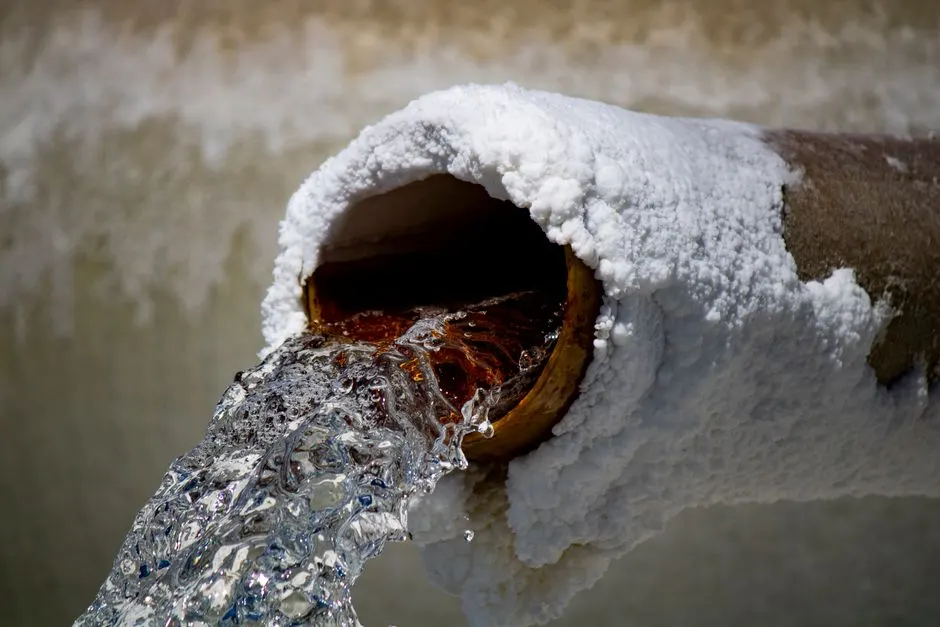
A typical November loss starts with a pipe that froze in an exterior wall or unheated space, split, and flooded when the temperature rose. In that case mitigation covers shutting off the water, extracting it, opening the wet wall cavity to dry it and running equipment. Restoration is the later repair of the wall, the insulation, the paint and any flooring that could not be saved.
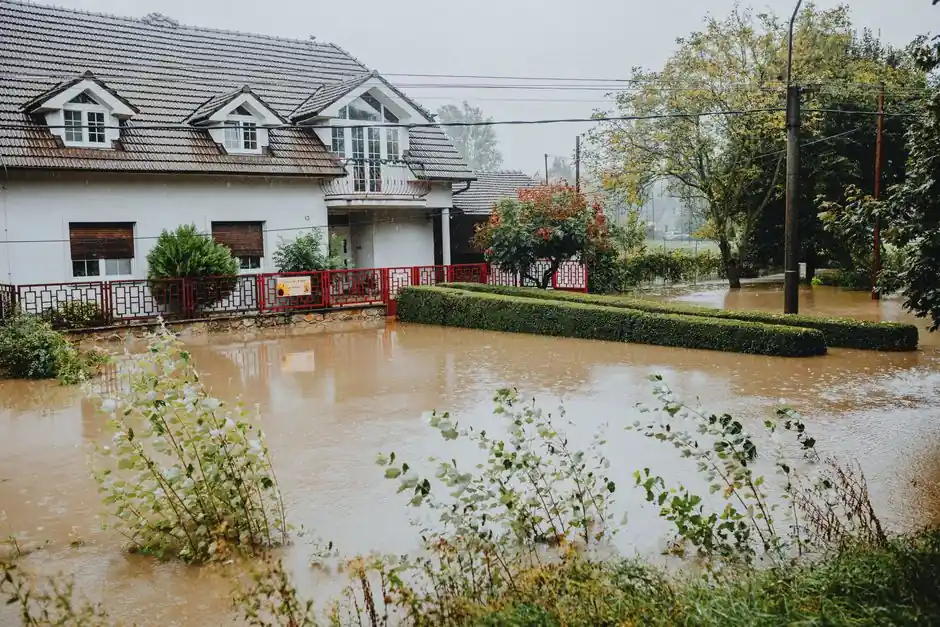
Cold weather adds a few wrinkles. Cold air and cold materials dry slowly, so drying can run longer than in summer. Heat is needed to hold the structure at a temperature where equipment works well, but not so hot that it speeds mold. A restoration pro generally manages that balance as part of the drying plan. The same logic applies to a larger flood, which we cover in Flood Cleanup in Eagle Mountain.
Common mistakes to avoid
The most common mistake is jumping straight to repairs, since a freshly painted wall that is still wet inside will fail. Another is treating mitigation as optional because the surface looks dry.
- Rebuilding before the readings are dry. Ask for the final moisture log first.
- Skipping mitigation to save money. The restoration bill usually grows when materials stay wet.
- Not asking who does what. Mitigation and rebuild may be two different companies.
- Assuming a plumber's repair ends the problem. The leak stops, but the wet materials remain.
- Not keeping records. Save photos, readings and invoices for your claim.
When to call a professional
Call a professional for mitigation whenever water has reached drywall, carpet, insulation or flooring, or has been standing for more than a day. Surface drying with towels is not a substitute for moisture mapping. If you wait until repair season, you may be rebuilding rooms that could have been dried.
Water Cleanup Eagle Mountain makes the first call simple. You call one number and we connect you with a local restoration company that can start the mitigation phase and explain what restoration will look like afterward.
Frequently Asked Questions
Is water mitigation the same as water extraction?
No. Extraction is one step within mitigation. Mitigation also includes moisture mapping, removing unsalvageable materials, drying equipment and protecting contents. Extraction removes the standing water, and mitigation covers everything done to stop further damage.
How long does mitigation take compared to restoration?
Mitigation usually takes about 3 to 5 days of active drying after the water is removed. Restoration starts after drying and can take from a few days to several weeks, depending on how much was damaged.
Can restoration start before drying is finished?
It should not. Rebuilding over wet materials traps moisture and invites mold. Wait for moisture readings that show the structure has reached its dry standard before drywall and flooring go back in.
Does insurance pay for mitigation and restoration?
It depends on your policy and the cause of the loss. Many policies treat them as separate parts of one claim. Contact your insurer early, keep records, and ask what documentation they require.
Do I need a different company for each phase?
Not always. Some companies handle both mitigation and rebuilding, and others do one and recommend another contractor for the rest. Ask who is responsible for each phase and get the scope in writing.
Get help with Water Damage Restoration in Eagle Mountain
If water is already in your home, the mitigation phase is the one that cannot wait. Call (385) 481-3042 and we connect you with a local water damage restoration company serving Eagle Mountain.